Worn Deck Boards – Repair Damage Before Safety Worsens
Mystery Business News PR >> Home Zone>> Worn Deck Boards – Repair Damage Before Safety Worsens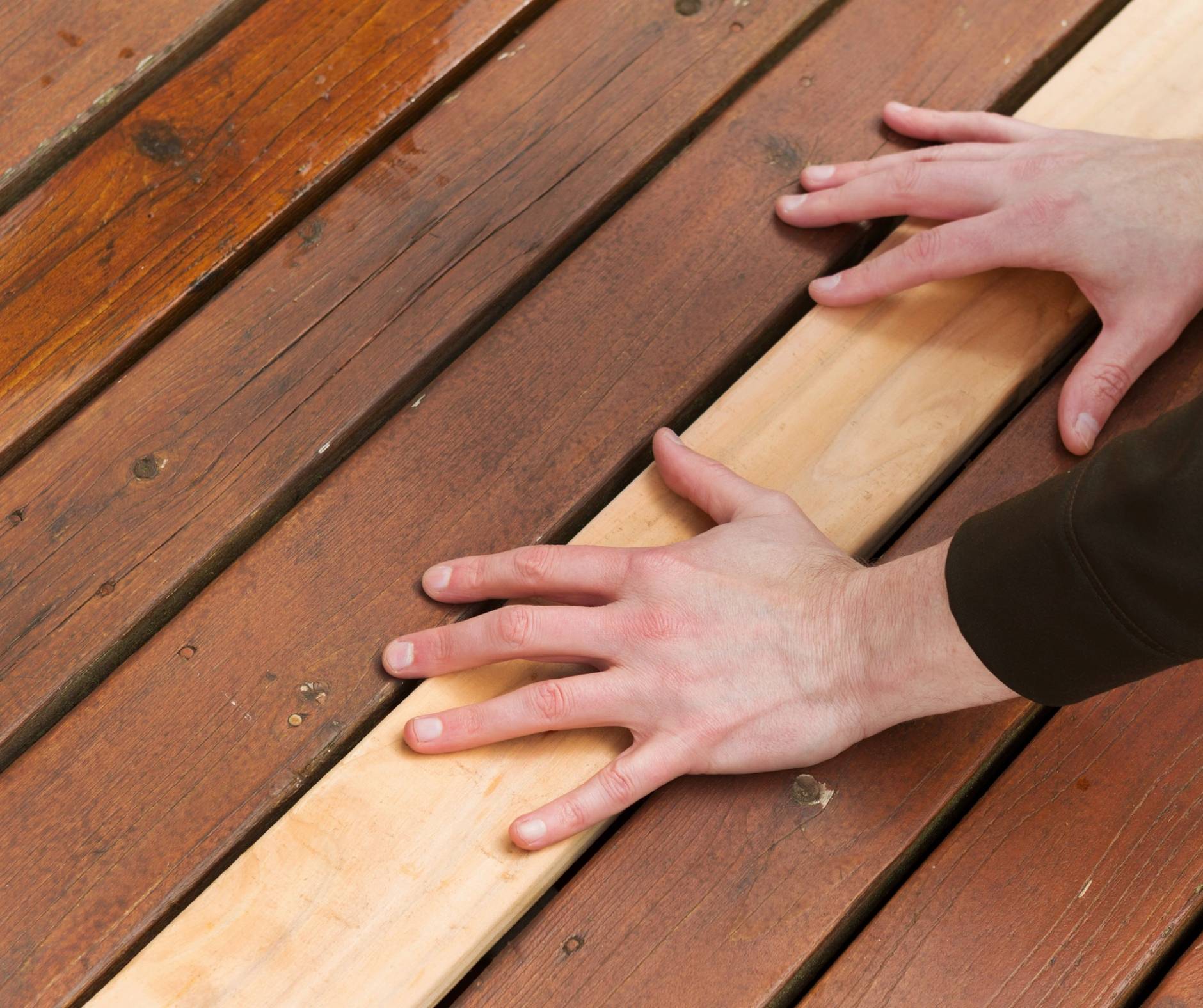
Worn Deck Boards – Repair Damage Before Safety Worsens
A deck board rarely fails without giving some warning. Soft spots, deep cracks, raised fasteners, splintering, and boards that flex underfoot can all signal deterioration that deserves attention.
Repairing worn deck boards early can keep a small maintenance problem from turning into a larger structural or safety issue. The key is knowing whether a board needs a simple repair or complete replacement.
Check the Damage Before Starting Repairs
Begin with a slow inspection in good daylight. Look for splits, rot around fasteners, discoloration, loose screws, warped edges, and areas that feel unusually soft when pressed with a screwdriver.
Online home-maintenance reading can provide ideas, but the condition of the framing beneath the boards matters just as much as the visible surface. A damaged joist or ledger should be addressed before new decking is installed.
Pay Attention to High-Stress Areas
Boards near stairs, railings, doorways, and frequently used walking paths tend to show wear sooner. Moisture can also linger where furniture, planters, or outdoor rugs reduce airflow.
Inspect those areas from above and, where safely accessible, from underneath. Hidden decay around screw holes can make a board weaker than it appears.
Decide Between Repair and Replacement
Small surface splinters may sometimes be sanded smooth, while an isolated loose board can often be secured with appropriate exterior-rated fasteners. Deep rot, major cracking, or severe warping usually calls for replacement.
Before choosing materials, broader property improvement topics may offer useful context for planning maintenance work. Match replacement boards as closely as practical in thickness and dimensions so the walking surface remains even.
| Condition | Possible Response | Main Concern |
|---|---|---|
| Minor splinters | Sand and reseal | Bare wood |
| Loose board | Refasten securely | Movement |
| Deep split | Replace board | Reduced strength |
| Soft or rotten wood | Replace and inspect below | Hidden decay |
Replace a Damaged Board Carefully
Before cutting or removing anything, confirm that electrical wiring, lighting cables, gas lines, or other utilities are not directly beneath the work area. Wear eye protection and gloves, and keep other people away from exposed openings.
Remove fasteners without damaging neighboring boards. Measure the replacement piece, cut it to fit with a small allowance for appropriate spacing, and secure it to sound framing using exterior-rated hardware suitable for the deck material.
General DIY project discussions can help homeowners think through the scope of a job, but fastening requirements vary with wood type, composite decking, local climate, and the supporting structure.
Common Mistakes That Make Deck Problems Worse
Covering rot with paint or stain doesn’t restore damaged wood. The coating may temporarily improve appearance while moisture and decay continue underneath.
Another mistake is replacing boards without checking why they deteriorated. Poor drainage, trapped leaves, sprinkler overspray, blocked airflow, or failing flashing can damage the replacement material too. Fixing the moisture source usually matters more than making the deck look new for a weekend.
Frequently Asked Questions
Can a cracked deck board be repaired instead of replaced?
A shallow surface crack may be manageable if the board remains solid and stable. Deep cracks, extensive splitting, softness, or movement can indicate more serious deterioration and often make replacement the safer option.
How can I tell whether a deck board has rot?
Rotten wood may feel soft, crumble when probed, show dark deterioration, or fail to hold fasteners firmly. Check underneath as well, because decay can be more advanced on the hidden side.
Should all old deck boards be replaced at once?
Not necessarily. Isolated damage may justify replacing only affected boards. If deterioration is widespread or the framing also shows problems, a broader deck assessment may make more sense than repeated individual repairs.
Make the Repair Before the Weak Spot Spreads
A worn board is easier to address while the surrounding deck remains solid. Inspect the damaged area, identify any moisture source, and make sure the supporting framing is sound before installing replacement material.
If several boards are soft, railings move, stairs feel unstable, or framing shows significant decay, bring in a qualified deck or building professional rather than treating the problem as a cosmetic repair.
Related Post

5 Home Improvement Tips Every Homeowner Should Know
Owning a home is a big responsibility, but it’s also a chance to create a…