

Loose Floor Tiles: Secure Them Before Cracks Develop
Mystery Business News PR >> Home Zone>> Loose Floor Tiles: Secure Them Before Cracks Develop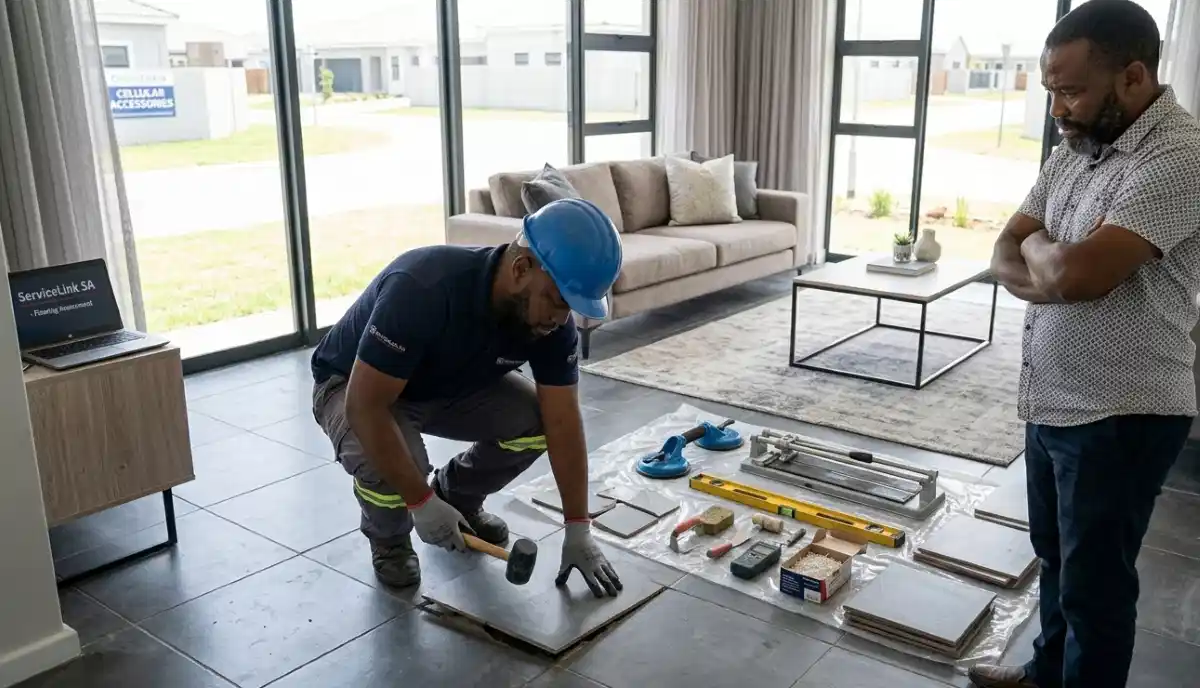
Loose Floor Tiles: Secure Them Before Cracks Develop
A loose floor tile is more than an annoying click underfoot. Movement can weaken grout, stress neighboring tiles, and eventually create cracks that turn a small repair into a larger flooring job. Catching the problem early gives you a better chance of saving the tile and protecting the surface around it.
Why Floor Tiles Become Loose
Tiles usually stay secure when the subfloor, adhesive, and grout work together as one stable system. Trouble starts when one part loses its grip. Poor adhesive coverage, moisture, floor movement, or an uneven base can all allow a tile to shift.
A hollow sound does not automatically mean a tile is about to fail, but movement under pressure deserves attention. Homeowners comparing repair approaches often use home-maintenance reading alongside manufacturer instructions to understand how different flooring materials behave.
Check the Movement Before Repairing
Press gently around each corner and edge. A tile that rocks, clicks, or moves independently from the surrounding floor needs closer inspection.
Do not force the tile downward or strike it with a hammer. That can turn a repairable loose tile into broken ceramic or porcelain.
Decide Whether the Tile Can Be Saved
A loose tile without visible cracks may often be reused if it can be removed cleanly. Damaged edges, deep fractures, or a badly warped tile usually make replacement the better choice.
The surrounding grout also offers clues. Crumbling grout may indicate repeated movement rather than a simple cosmetic defect. Broader practical DIY references can help homeowners think through preparation before choosing between spot repair and wider floor work.
| Sign | Possible Issue | Better Response |
|---|---|---|
| Tile rocks | Adhesive failure | Remove and reset |
| Grout keeps cracking | Floor movement | Inspect the base |
| Tile is fractured | Material damage | Replace the tile |
| Damp area below | Moisture problem | Fix moisture first |
Remove and Reset the Tile Carefully
Wear eye protection and gloves before cutting or scraping old grout. If the tile must come out, remove grout around its perimeter first so pressure is not transferred directly to neighboring tiles.
Lift the tile carefully using appropriate hand tools. Old adhesive should be removed from both the tile and the base until the surfaces are reasonably clean and flat.
Apply adhesive suitable for the tile and installation area, following the product directions for coverage and curing. Flooring projects covered in renovation-focused articles often emphasize preparation because new adhesive cannot compensate for a weak, dusty, or unstable surface.
Give the Repair Time to Set
One common mistake is walking on the repaired tile too soon. Adhesive needs adequate curing time before the tile is exposed to normal foot traffic or fresh grout.
Once it has set, apply grout around the tile while keeping the joints consistent with the surrounding floor. Wipe excess material before it hardens on the surface.
Mistakes That Turn Small Repairs Into Bigger Ones
Do not assume adding grout around a moving tile will secure it. Grout fills joints; it is not a substitute for proper bonding beneath the tile.
Another mistake is replacing the tile without asking why it became loose. If the subfloor flexes, moisture keeps entering, or several nearby tiles are moving, a single-tile repair may fail again.
Frequently Asked Questions
Can a loose floor tile be fixed without removing it?
Some repair products can be injected beneath certain loose tiles, but success depends on the size of the void and the condition of the existing adhesive. Removing and resetting the tile generally gives better access to the underlying problem.
Why does grout crack around a loose tile?
Repeated tile movement places stress on the surrounding grout. The grout may crack again after repair unless the movement beneath the tile is corrected first.
Should several loose tiles be repaired individually?
Several loose tiles in one area may point to a wider installation or subfloor problem. Inspect the base and adhesive condition before treating each tile as an isolated failure.
Fix the Cause Before the Crack Appears
A moving tile is an early warning that part of the floor system is no longer holding as intended. Secure the tile while it is still intact, but also inspect the adhesive, moisture conditions, and stability underneath. Solving the reason for the movement is what turns a temporary patch into a lasting repair.
Related Post

How Storm Damaged Trees Threaten Property Safety
Severe weather can create dangerous conditions for residential and commercial properties, especially when storm damaged…