

Damaged Door Frames: Repair Splits Before They Spread
Mystery Business News PR >> Home Zone>> Damaged Door Frames: Repair Splits Before They Spread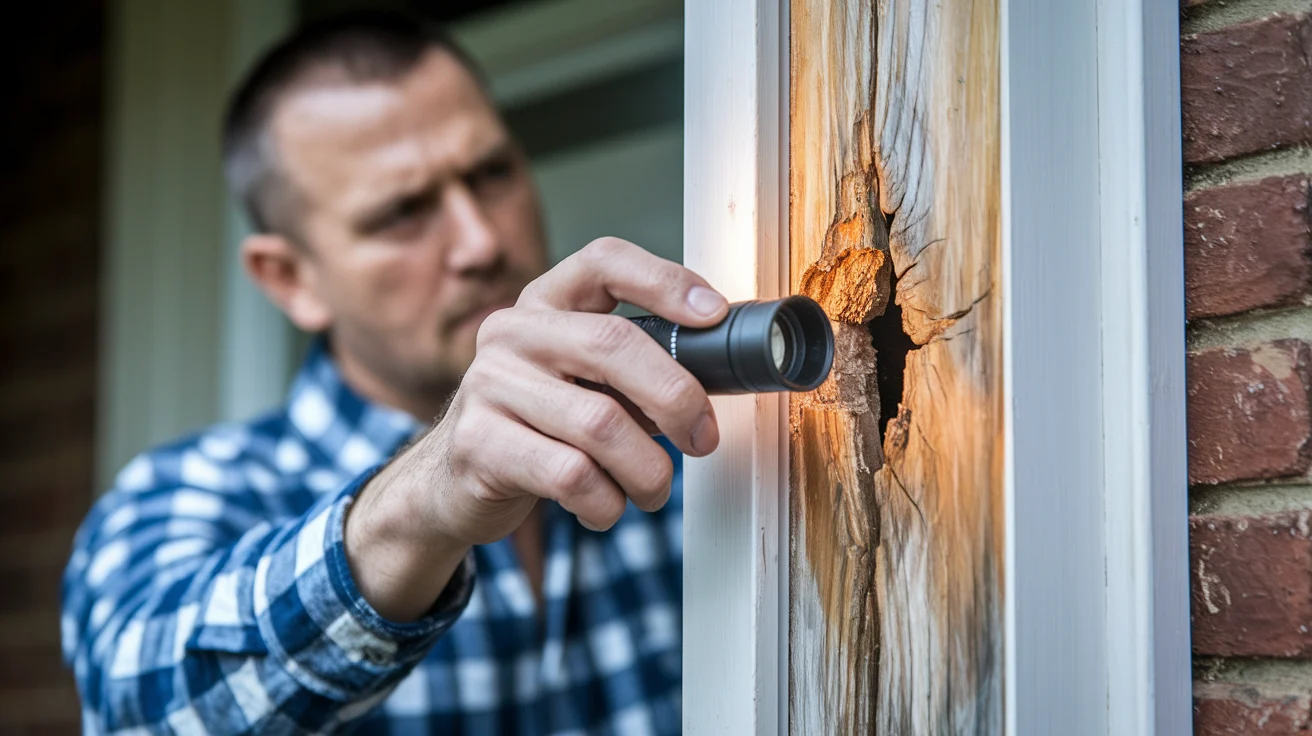
Damaged Door Frames: Repair Splits Before They Spread
A split door frame rarely stays exactly as it started. Repeated opening, closing, slamming, humidity changes, and pressure from hinges or strike plates can gradually widen damaged wood. Repairing damaged door frames early usually means a smaller patch, less visible finishing work, and a better chance of keeping the existing frame.
Start by Finding the Full Length of the Split
Look beyond the obvious crack. A narrow split near a hinge screw may continue several inches beneath paint, while damage around a strike plate may spread toward the edge of the jamb.
Gently press around the area and watch for movement. When researching repair approaches, homeowners often move among general online reading, manufacturer instructions, and DIY references, but the condition of the actual wood should determine the repair.
Check Whether the Frame Is Still Structurally Sound
Small clean splits in solid wood are often repairable. Soft, crumbling, water-damaged, or extensively fractured material may need partial jamb replacement rather than glue and filler.
Remove loose paint or splinters carefully. Wear eye protection if you will drill, sand, cut, or pull damaged fasteners.
Close the Split Before Filling the Surface
A common mistake is filling the visible crack without pulling the separated wood back together. Cosmetic filler cannot restore strength when two sections of the jamb are still moving independently.
Wood glue can be worked into a clean accessible split, followed by careful clamping until the pieces align. People comparing techniques may also encounter independently authored resources alongside repair manuals; prioritize methods that actually bring the wood back into firm contact.
Avoid overtightening a clamp. Excessive pressure can distort a narrow jamb or squeeze nearly all the adhesive from the joint.
| Damage Pattern | Likely Approach | Main Concern |
|---|---|---|
| Hairline split | Glue and clamp | Crack reopening |
| Split at screw | Glue plus reinforcement | Weak fastener hold |
| Missing wood | Patch or insert | Poor alignment |
| Rot or deep crushing | Replace affected section | Structural weakness |
Reinforce Stress Points Instead of Hiding Them
Splits around hinges and strike plates often started because fasteners repeatedly loaded the same small area. After the wood is repaired, damaged screw holes may need to be rebuilt or repositioned so the hardware has solid material to grip.
Longer appropriate screws can sometimes improve attachment where the underlying framing is sound, but they must be installed carefully to avoid pulling the jamb out of alignment. Broader practical opinion pieces may offer ideas, yet door fit provides the real test: the slab should swing freely and latch without excessive force.
Check the reveal around the door after tightening hardware. If the gap suddenly becomes uneven, stop and correct alignment before continuing.
Finish the Repair Without Creating a New Weak Spot
Once the structural repair has cured, sand only enough to level raised fibers and adhesive. Deep aggressive sanding can thin the repaired edge.
Small surface imperfections can then be filled with a paintable wood filler, sanded smooth, primed, and painted. Stained frames require more careful color matching because patches and adhesive lines can remain visible.
Keep paint away from hinge joints and latch openings. Thick paint buildup can interfere with hardware and make a properly repaired door feel tight.
Where Door-Frame Repairs Commonly Go Wrong
Trying to repair moving wood with filler alone is one of the biggest failures. Another is driving new screws into the same stripped holes and expecting them to hold simply because the screws are longer.
The frame also needs a cause check. A sagging door, loose hinge, swollen jamb, forceful closing, or misaligned strike plate can keep loading the repaired area. Fixing the crack without correcting that pressure often leads to another split nearby.
Frequently Asked Questions
Can a split door jamb be repaired without replacing it?
Often, yes. A clean localized split in otherwise solid wood may respond well to adhesive, clamping, reinforcement, and refinishing. Replacement becomes more sensible when the jamb is rotten, extensively crushed, badly warped, or fractured across a large area.
Why does a door frame split near the hinge?
Hinges concentrate repeated loads around a few screws. Loose hardware, stripped screw holes, door sag, impact, or overtightened fasteners can gradually separate wood fibers around those attachment points.
Should I paint over a repaired door-frame crack?
Only after the structural repair is stable and surface work is complete. Sand the area smooth, fill minor imperfections if necessary, and use compatible primer before applying the finish coat.
Stop a Small Crack From Becoming a Larger Repair
A split frame deserves more than a layer of filler. Bring separated wood back together, strengthen the stressed attachment point, and check why the damage formed in the first place. After the door swings and latches correctly without loading the repair, finish the surface. Early attention is usually far easier than rebuilding a broken jamb later.
Related Post

The Advantages of a Full-Service Moving Company
During your move, storage services may be useful for a variety of reasons. To tidy…