

Cracked Shower Grout: Seal Gaps Before Water Spreads
Mystery Business News PR >> Home Zone>> Cracked Shower Grout: Seal Gaps Before Water Spreads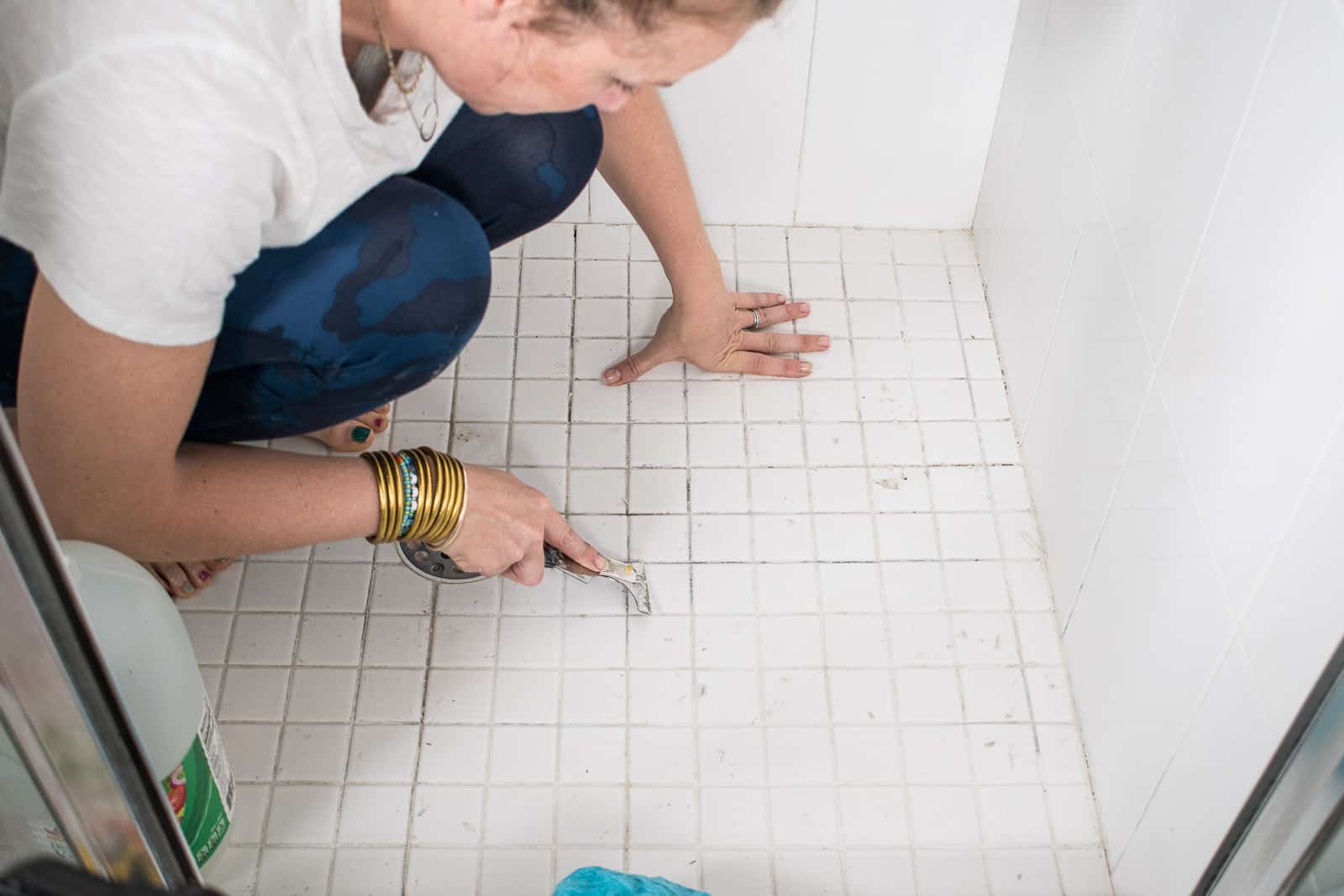
Cracked Shower Grout: Seal Gaps Before Water Spreads
Cracked shower grout may look like a cosmetic problem, but open joints can give moisture an easier path behind tile surfaces. Small cracks are often manageable when caught early, while widening gaps, loose tiles, or recurring moisture may point to a repair that goes beyond adding fresh grout.
The goal is to identify why the joint failed before covering it again.
Why Shower Grout Starts Cracking
Grout is rigid, while shower walls and floors experience small amounts of movement. Building settling, temperature changes, movement between wall planes, and an improperly prepared tile base can all create stress along grout lines.
Water exposure also matters. Grout isn’t normally the primary waterproofing layer of a properly built shower, but damaged joints can allow more moisture into areas where installation weaknesses already exist.
Pay Attention to Where the Crack Appears
A short crack in one isolated grout joint is different from a long crack that repeatedly returns across several tiles. Cracking near corners or where the wall meets the floor may occur because those areas experience movement and often need flexible sealant rather than rigid grout.
Homeowners researching repair approaches may encounter useful home maintenance reading while comparing the difference between cosmetic grout damage and deeper tile problems.
Clean and Inspect Before Sealing
Don’t put new material over soap residue, mildew, loose grout, or trapped moisture. Remove unstable pieces carefully, clean the joint, and allow the area to dry according to the repair product’s instructions.
Look closely at nearby tiles while cleaning. A hollow sound, movement under gentle pressure, staining that returns quickly, or soft wall material can indicate that the visible crack isn’t the entire problem.
General property care ideas can help homeowners think beyond the visible surface and consider how moisture, ventilation, and regular inspection affect bathroom finishes.
| What You Notice | Possible Issue | Practical Response |
|---|---|---|
| Hairline grout crack | Minor movement or aging | Clean and monitor |
| Missing grout | Failed joint | Remove loose material and repair |
| Repeated corner crack | Movement joint problem | Consider flexible sealant |
| Loose tile or soft wall | Possible deeper damage | Investigate before resealing |
Repair the Joint With the Right Material
For a straightforward grout-line failure, remove enough deteriorated grout to give replacement material a sound surface to bond to. Match the grout type as closely as practical and follow the manufacturer’s mixing, curing, and sealing instructions.
Corners and changes of plane deserve different treatment. Many tile systems use a flexible, bathroom-rated sealant in these locations because it can accommodate small amounts of movement better than rigid grout.
Bathroom repair information found through general reading resources can provide ideas, but product specifications and tile-system instructions should guide the actual repair.
Common Mistakes That Make Cracks Return
Smearing a thin layer of grout over an existing crack is tempting because it looks repaired immediately. The new surface layer may have little depth or bonding area, so normal movement can cause the crack to reappear.
Another mistake is assuming every crack means the shower is leaking internally. Some cracks remain superficial. The opposite assumption is risky too: repeated cracking, loose tile, persistent odors, or damaged wall material deserve closer investigation instead of endless patching.
Prevent Future Joint Damage
Keep the shower reasonably dry between uses by running the exhaust fan and removing standing water where practical. Regular cleaning also makes it easier to spot new deterioration before soap film hides it.
Inspect corners, plumbing penetrations, grout joints, and sealant periodically. Early maintenance is simpler than waiting until several sections fail at once.
Frequently Asked Questions
Can I put new grout directly over cracked grout?
A thin surface coat usually doesn’t create a durable repair. Loose material should generally be removed so the replacement grout has enough clean joint depth and solid surfaces to bond properly.
Should shower corners use grout or caulk?
Corners experience movement because two surfaces meet there. Flexible bathroom-rated sealant is commonly used at changes of plane, though the correct treatment should match the tile system and installation instructions.
Does cracked grout always mean water damage?
No. Grout can crack because of age, movement, or installation issues without major hidden damage. Repeated cracks, loose tiles, staining, odors, or soft backing materials are stronger reasons to investigate further.
Fix Small Gaps Before They Become Larger Repairs
A minor grout crack is easier to address while surrounding tile and backing remain sound. Clean the area, determine whether the joint needs grout or flexible sealant, and watch for signs that suggest deeper movement or moisture trouble. A careful repair now can prevent a simple maintenance job from turning into tile removal later.
Related Post

The Advantages of a Full-Service Moving Company
During your move, storage services may be useful for a variety of reasons. To tidy…