

Frequent Lower Backache: Improve Support With Better Movement
Mystery Business News PR >> Health>> Frequent Lower Backache: Improve Support With Better Movement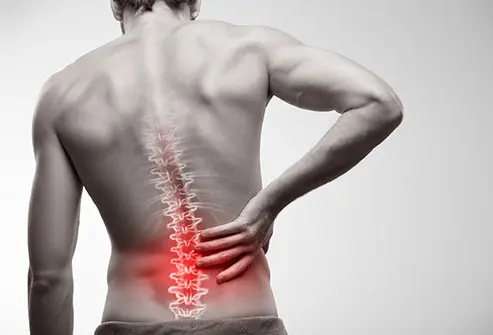
Frequent Lower Backache: Improve Support With Better Movement
Frequent lower backache can make ordinary tasks such as getting out of a chair, carrying groceries, or standing at a counter feel harder than expected. For many uncomplicated back problems, complete inactivity isn’t the answer. Comfortable movement, better lifting habits, and gradual strengthening may help the back tolerate daily demands more effectively.
Why Movement Can Matter for an Aching Lower Back
The lower back depends on muscles around the abdomen, hips, pelvis, and spine working together. Long periods of sitting or avoiding movement can leave these areas stiff and poorly prepared for sudden bending or lifting.
MedlinePlus notes that prolonged bed rest generally isn’t recommended for uncomplicated low back pain and advises staying as active as possible when serious warning signs are absent.
Start With Comfortable Motion
Gentle walking is often easier to tolerate than immediately returning to demanding exercise. The goal isn’t to force through sharp pain. It is to keep the body moving within a comfortable range while paying attention to whether symptoms improve or worsen.
Build Better Support Into Everyday Positions
Daily habits can place repeated stress on the lower back even when no single movement feels dramatic. Sitting for long stretches, reaching from the waist, or lifting while twisted can all increase mechanical demand.
While reading general wellness material can provide broader lifestyle context, persistent back pain still deserves health information from recognized medical sources and, when appropriate, professional evaluation.
Changing positions regularly may matter more than finding one supposedly perfect posture. A supportive chair, feet resting comfortably, and a small lumbar support can make prolonged desk work easier for some people.
Use Your Hips and Legs During Heavier Tasks
A common problem is bending mainly through the lower spine while the hips and knees barely move. Keeping an object close to the body and using the legs during lifting can reduce the amount of force the lower back must manage.
People browsing everyday care articles may see many different lifting suggestions online. Technique should remain comfortable, controlled, and appropriate for the weight involved rather than following a rigid rule that causes pain.
| Movement Habit | Better Approach | Why It Helps |
|---|---|---|
| Long uninterrupted sitting | Change position regularly | Reduces prolonged loading |
| Reaching from the waist | Move closer first | Limits unnecessary strain |
| Twisting while lifting | Turn with the feet | Keeps movement controlled |
| Sudden heavy effort | Build activity gradually | Improves tolerance |
Strength and Mobility Should Work Together
Flexibility alone doesn’t create lasting support. The hips, abdominal muscles, and muscles around the spine also need enough strength and endurance for walking, carrying, climbing stairs, and other routine activities.
General broader health information can help people become familiar with wellness topics, but exercises should not be treated as universal prescriptions. Pain following an injury, pain spreading down a leg, or significant weakness may require a different approach.
Where Back-Pain Advice Often Goes Wrong
One mistake is assuming that every backache comes from “bad posture.” Pain can involve muscles, joints, discs, nerves, or other structures, and several problems can produce similar sensations.
The opposite mistake is treating any discomfort during movement as proof that movement is harmful. Mild stiffness and serious neurological symptoms are not the same thing. Context, severity, progression, and accompanying symptoms matter.
When Should Lower Back Pain Be Evaluated?
Seek prompt medical care when back pain follows major trauma or occurs with new significant leg weakness, loss of bladder or bowel control, numbness around the groin or saddle area, fever, or other concerning symptoms. Unexplained pain that keeps worsening or significantly limits normal activity also deserves evaluation.
These warning signs can require a different response from ordinary mechanical soreness. MedlinePlus specifically identifies neurological changes, fever, weakness, and bladder or bowel problems among warning features that should not be managed as routine backache alone.
Frequently Asked Questions
Is walking good for frequent lower backache?
Gentle walking is often a reasonable way to maintain movement when it doesn’t significantly increase symptoms. Start at a comfortable level and increase gradually rather than turning the first walk into a strenuous workout.
Should I stretch every time my lower back feels tight?
Not necessarily. Gentle stretching may feel useful for some forms of stiffness, but aggressive stretching can aggravate certain problems. Stop movements that produce sharp, spreading, or increasing pain.
Can sitting all day contribute to lower back discomfort?
Long periods in one position may contribute to stiffness and reduced movement tolerance. Changing position, taking short movement breaks, and arranging the workspace comfortably can reduce prolonged mechanical stress.
Build Capacity Instead of Chasing Perfect Posture
Lower-back comfort usually depends on how well the body handles everyday movement, not on holding one flawless position all day. Keep activity gradual, use sensible lifting mechanics, and pay attention to patterns rather than isolated aches. If pain becomes persistent, unexplained, worsening, or associated with neurological changes, arrange an appropriate medical assessment.
This article is for general informational purposes and is not a substitute for professional medical advice, diagnosis, or treatment.
Related Post

Medical Document Translation Services for Medical Healthcare
Clear and accurate communication in healthcare settings often depends on medical document translation services, especially…