

Weak Roof Drainage: How to Redirect Water Away From Foundations
Mystery Business News PR >> Home Zone>> Weak Roof Drainage: How to Redirect Water Away From Foundations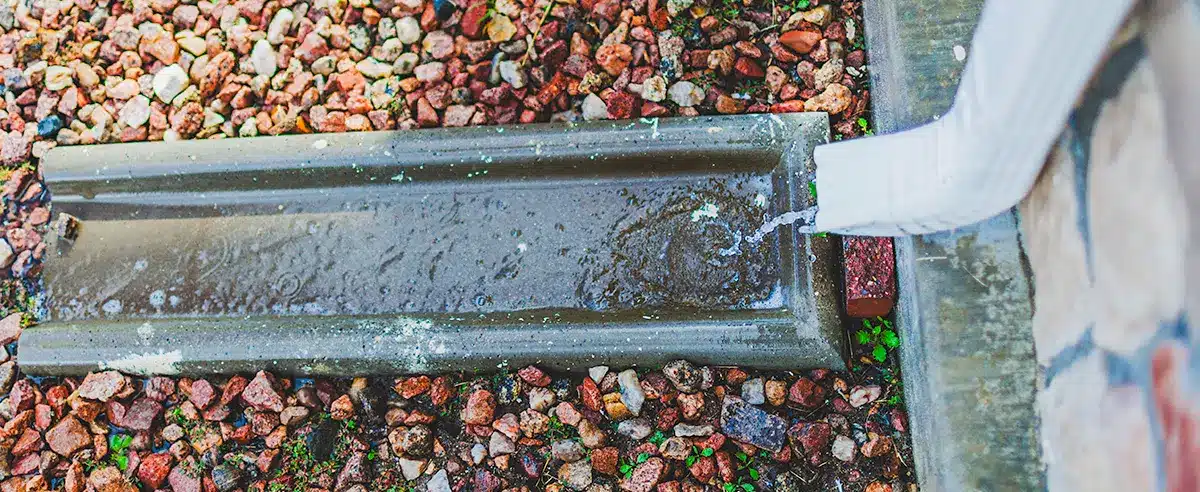
Weak Roof Drainage: How to Redirect Water Away From Foundations
Rainwater should leave your roof, enter the gutter system, and continue well away from the house. Weak roof drainage breaks that path. Water may spill beside exterior walls, collect near the foundation, wash away soil, or repeatedly soak landscaping.
Fixing the problem usually means improving gutters, downspouts, grading, and the final discharge point rather than treating each puddle separately.
Find Where the Drainage Path Breaks Down
Start during or shortly after rainfall. Look for gutters overflowing at corners, water running behind gutters, downspouts dumping beside the wall, or low areas where runoff stays trapped.
Debris is a common starting point, but gutter size, slope, loose brackets, damaged joints, and poorly positioned downspouts can also reduce drainage. Broader home maintenance reading can help homeowners organize seasonal checks, but the useful evidence is what water actually does around the property.
Trace Water From Roof to Ground
Follow one drainage route at a time. Check the roof edge, gutter, outlet, downspout elbow, lower extension, and the ground where water finally exits.
A system can look fine from the driveway while failing at a hidden joint or underground connection.
Extend Downspouts Beyond the Foundation Zone
A downspout that ends inches from the wall moves roof water downward without moving it away. Add an extension, splash block, or suitable drainage connection so runoff reaches an area where it can continue safely downhill.
General property improvement discussions may offer ideas worth comparing, but the correct discharge distance depends on your grading, soil, landscaping, local rainfall, and foundation layout.
Extensions should not direct runoff toward a neighbor’s property, public walkway, basement opening, or another part of your own house.
| Problem | What You May Notice | Better Direction |
|---|---|---|
| Short downspout | Puddle beside wall | Extend discharge outward |
| Clogged gutter | Water over gutter edge | Clear debris and outlets |
| Low soil | Water returns toward house | Correct surface grading |
| Broken joint | Localized dripping | Repair or reseal connection |
Make the Ground Work With the Drainage System
Roof drainage doesn’t stop at the downspout. Once water reaches the soil, the surface should encourage it to continue away from the building.
Small depressions can become collection bowls. Settled soil beside a house may need correction so the surface falls away rather than toward the foundation.
Homeowners reviewing practical household topics should remember that drainage fixes are highly site-specific. Adding more soil blindly can cover siding, block drainage openings, or create other moisture problems.
Protect Landscaping From Concentrated Flow
A strong downspout can erode mulch and soil if its discharge is concentrated in one spot. A splash block, gravel transition, or suitable drain can reduce that impact.
The goal isn’t merely moving water farther. It is moving it without creating a second problem.
Common Drainage Mistakes to Avoid
One mistake is assuming a larger downspout solves every drainage problem. If the gutter is clogged, pitched incorrectly, or receiving more roof runoff than it can handle, changing one component may have little effect.
Another mistake is burying extensions without knowing where they end. Underground piping can clog, collapse, freeze in some climates, or discharge into an unsuitable location. Keep access points practical and understand the entire route before hiding it.
Check the System During Real Rain
A hose test can reveal leaks and blockages, but actual rainfall shows how the whole roof behaves. Watch corners, valleys, long gutter runs, and areas where several roof sections drain toward one outlet.
Check the ground again after the storm. Standing water, fresh erosion, damp foundation surfaces, and washed-out mulch are useful clues that runoff still needs better control.
Frequently Asked Questions
How far should downspouts carry water from a foundation?
There isn’t one ideal distance for every property. The discharge point should be far enough away that water continues away from the building rather than soaking the foundation zone or flowing back toward the wall.
Can clogged gutters cause foundation moisture problems?
They can contribute. Overflowing gutters may repeatedly dump roof water near exterior walls, increasing soil moisture around the foundation. Clearing gutters is therefore an important part of controlling roof runoff.
Should roof water be sent into an underground drain?
It can be appropriate when the drain is correctly designed, has a suitable outlet, and can be maintained. A buried pipe with no known discharge point can become a hidden source of drainage trouble.
Make Water Follow a Predictable Route
Treat roof drainage as one continuous system rather than separate gutters and puddles. Clear blockages, repair failing sections, extend downspouts, and make sure the surrounding ground keeps water moving away.
After the work is complete, inspect the property during the next substantial rain. Water should travel through a clear path without pooling against the house or carving a new route through the yard.
Related Post

How to Properly Store and Dispose Cleaning Chemicals at Home
In maintaining a healthy and secure living environment, one must keep their home clean. However,…