

Virtual Reality Problems – Reduce Motion Discomfort With Settings
Mystery Business News PR >> Tech Guides>> Virtual Reality Problems – Reduce Motion Discomfort With Settings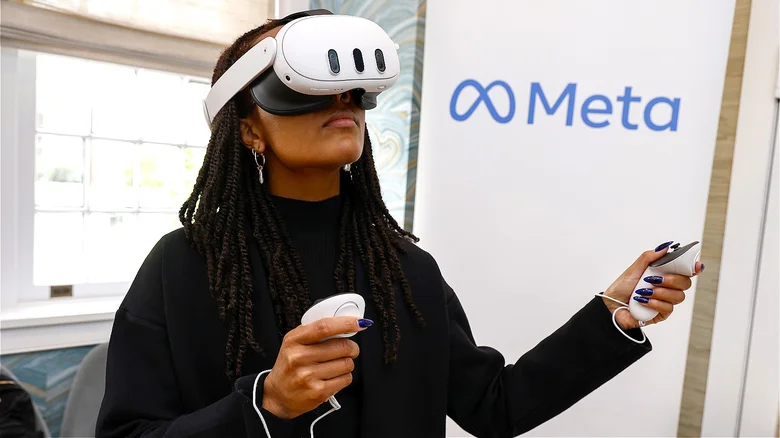
Virtual Reality Problems – Reduce Motion Discomfort With Settings
Virtual Reality Problems can become frustrating when nausea, eye strain, or disorientation during immersive sessions. The fastest fix is usually not a dramatic reset or a new purchase; it is a careful check of the conditions the technology depends on. The goal is to reduce discomfort before it turns a short VR session into a bad experience. Readers comparing settings, devices, and platforms can also use practical technology guides for broader context while working through the practical steps below. Start with the simplest variables first, document what changes, and avoid making several adjustments at the same time.
Five Platforms and Products Worth Understanding
Different vendors solve the same problem in different ways. Some depend heavily on local hardware, some on cloud accounts, and others on specialized software or sensors. That means one fix cannot be copied blindly from another platform. The five examples below are genuine products or services that show the common tradeoffs in virtual reality comfort. Their inclusion is not a ranking; each one is useful for understanding a different setup, workflow, or risk pattern.
1. Meta Quest
Quest headsets support standalone VR and expose comfort choices through system features and individual apps. Start with a correctly fitted headset, a clear play area, shorter sessions, and comfort-oriented movement such as teleporting or snap turning when an app offers it. Its role in the market illustrates how compare documented setup requirements before assuming every similar symptom has the same cause.
2. Valve SteamVR
SteamVR is widely used for PC-based headsets and lets users adjust per-application rendering behavior and other performance settings. Stable frame delivery matters for comfort, so reducing overly aggressive graphics settings can be more useful than chasing maximum visual detail. The product family is worth examining because compare documented setup requirements before assuming every similar symptom has the same cause.
3. HTC VIVE
HTC VIVE headsets emphasize careful physical setup, including headset positioning and lens alignment. A secure but not overly tight fit, correct interpupillary adjustment where supported, and consistent tracking conditions can reduce blur and the visual mismatch that contributes to discomfort. What matters here is not the brand name alone but how compare documented setup requirements before assuming every similar symptom has the same cause.
4. PlayStation VR2
PlayStation VR2 is built for PS5 and includes guided play-area setup plus headset adjustments. Sony’s health guidance tells users to stop if they develop dizziness, nausea, disorientation, or similar symptoms, making breaks an important part of troubleshooting rather than something to ignore. This platform is a useful reference because compare documented setup requirements before assuming every similar symptom has the same cause.
5. Apple Vision Pro
Apple Vision Pro blends spatial computing with immersive environments. Fit, light-seal alignment, display clarity, and the amount of virtual motion in an experience all affect comfort, so users should correct physical setup before assuming a software problem is responsible. For this issue, the practical point is that compare documented setup requirements before assuming every similar symptom has the same cause.
What Should You Check Before Changing Anything?
Before spending money or making a major configuration change, define the exact symptom, the conditions where it appears, and the last change made before the problem started. Review broader technology analysis when you want wider context, then return to the vendor’s current documentation for the exact model or account. Prioritize stable frame rates, a clear play space, accurate headset fit, moderate session length, and movement options that match your tolerance. Change one setting at a time so you can tell what actually helps. If symptoms persist after basic setup changes, stop using the headset and follow the manufacturer’s health guidance rather than trying to push through discomfort. Keep notes as you test so a temporary improvement is not mistaken for a permanent fix.
Frequently Asked Questions
Why does VR motion make some people feel sick?
The eyes may report movement while the inner ear senses that the body is still. That sensory mismatch can produce nausea, dizziness, or headache, especially during smooth artificial movement or unstable frame delivery.
Which VR settings usually improve comfort first?
Try snap turning, teleport movement, narrower field-of-view comfort effects, lower graphics demands, and a stable refresh rate when those options are available. Correct headset fit and lens alignment matter as much as software settings.
Should I keep playing until I get used to VR?
Do not treat strong discomfort as something to fight through. Stop when symptoms begin, rest, and return only when you feel normal. Persistent or severe symptoms deserve medical advice and attention to the headset maker’s safety guidance.
A Practical Way Forward
VR feels best when the visual system, tracking, and physical fit are all working together. Small comfort changes often matter more than buying new hardware. Keep settings conservative, build tolerance gradually, and treat recurring nausea or disorientation as a reason to stop rather than a challenge to overcome. For additional background on infrastructure, digital systems, and related technologies, computing and systems resources can be a useful companion resource. The strongest troubleshooting habit is still simple: understand what the system expects, change one variable at a time, and stop when the evidence shows the problem is solved.
Related Post

All about Asus rog fx503
Although Asus may not be the most well-known brand name for gaming laptops, this does…