

Loose Bathroom Tiles – Fix Them Before Moisture Enters
Mystery Business News PR >> Home Zone>> Loose Bathroom Tiles – Fix Them Before Moisture Enters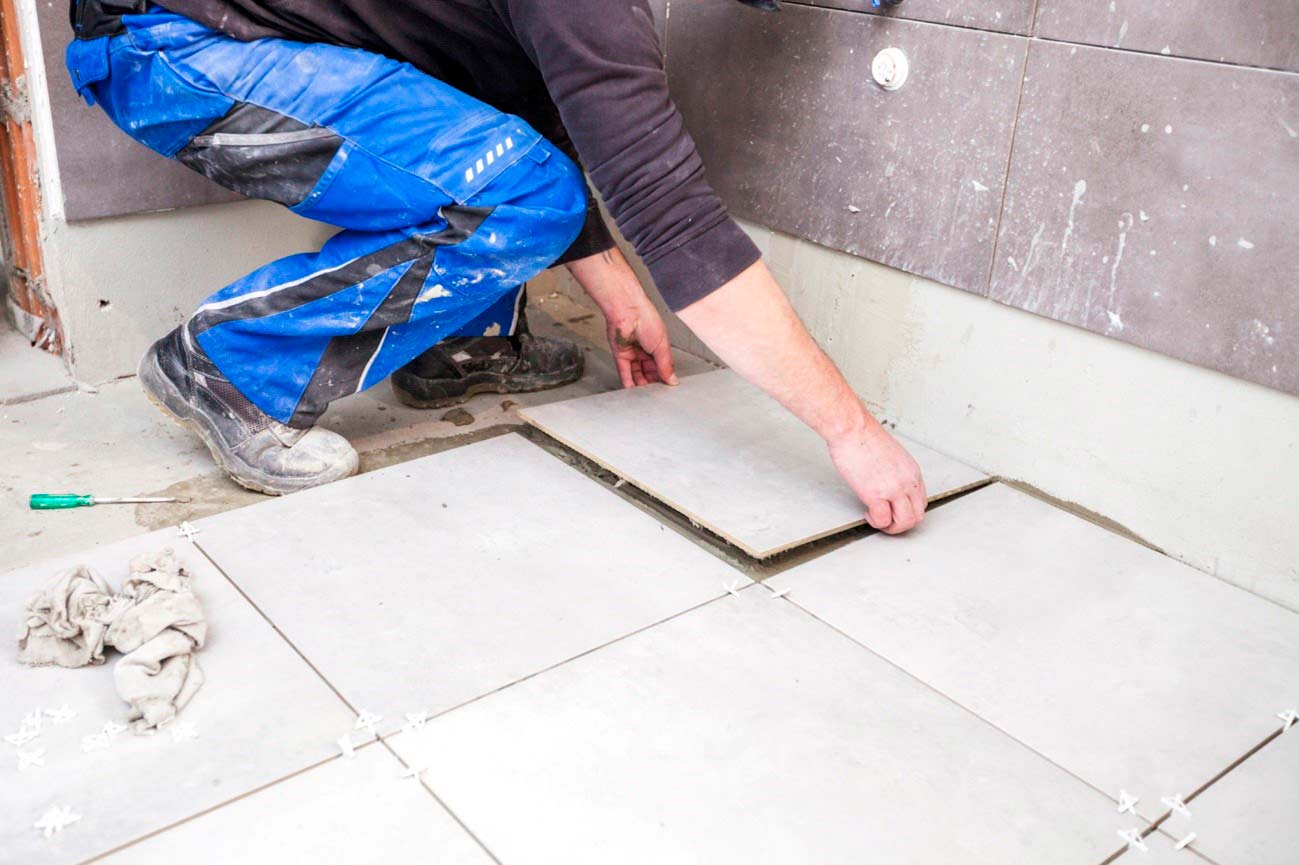
Loose Bathroom Tiles – Fix Them Before Moisture Enters
A loose bathroom tile may seem like a cosmetic annoyance, but movement can allow water to reach areas that should stay protected. Fixing loose bathroom tiles early can limit damage to grout, adhesive, backer board, and nearby finishes.
The main job is not simply sticking the tile down again. You need to find out why it became loose and make sure the surface underneath is still sound.
Why Bathroom Tiles Start Moving
Tiles commonly loosen when the bond between the tile and adhesive fails. Poor installation, inadequate adhesive coverage, movement in the subfloor, cracked grout, or repeated moisture exposure can all contribute.
Before removing anything, press gently around the affected area. Hollow sounds, visible grout cracks, or neighboring tiles that shift may suggest the problem extends beyond one piece. Homeowners comparing repair approaches sometimes use home maintenance directories alongside manufacturer instructions and practical renovation references.
Look Beyond the Visible Tile
Check the grout and caulk around the loose area. Gaps near a tub, shower, or plumbing penetration deserve particular attention because water can repeatedly enter through small openings.
A loose tile outside a wet zone may be relatively contained. In a shower enclosure, however, hidden moisture deserves more caution.
Remove the Tile Without Creating More Damage
Protect your eyes before breaking or scraping tile materials. If the tile can be saved, remove surrounding grout carefully and work it loose gradually rather than forcing a screwdriver beneath one edge.
The goal is to avoid damaging neighboring tiles or penetrating the waterproofing layer beneath them. General online publishing references may provide renovation-related reading, but installation instructions from the specific adhesive, grout, or waterproofing manufacturer should guide product use.
Once the tile is out, scrape away loose adhesive without gouging the substrate.
| What You Find | Possible Issue | Practical Response |
|---|---|---|
| Dry, solid backing | Bond failure | Clean and reset tile |
| Crumbling surface | Damaged substrate | Repair before resetting |
| Dark or damp area | Moisture intrusion | Find water source first |
| Several loose tiles | Broader installation issue | Inspect surrounding area |
Make Sure the Surface Is Ready
A replacement tile needs a firm, clean, reasonably flat base. Dust, old loose adhesive, soap residue, and unstable material can prevent the new bond from holding.
If the backing material feels soft, swollen, or deteriorated, don’t cover it with fresh adhesive. Repairing the underlying problem first is more important than quickly restoring the finished appearance.
People reviewing different repair methods may also encounter renovation reading notes, but bathroom assemblies vary. A tiled shower wall, cement-board floor, and drywall backsplash do not necessarily require the same repair approach.
Reset the Tile Carefully
Use an adhesive or mortar suitable for the tile type, substrate, and location. Spread it according to the product instructions and aim for proper contact rather than applying an oversized blob in the middle.
Set the tile at the same height as the surrounding surface. After the bonding material has cured as directed, replace the grout and restore any flexible sealant joints where required.
Avoid exposing the repaired area to water before the products have had enough time to cure.
Common Mistakes That Make the Repair Fail
Resetting a tile over wet or unstable backing is one of the easiest ways to repeat the problem. Another mistake is treating cracked grout as the root cause when movement underneath is actually responsible.
Don’t assume more adhesive automatically creates a stronger repair. Excess material can make tile alignment difficult, while inadequate preparation can weaken even a good product. The condition of the substrate matters as much as the adhesive itself.
Frequently Asked Questions
Can I glue a loose bathroom tile without removing it?
Sometimes injectable repair products are marketed for certain hollow or loose tiles, but removing the tile allows you to inspect the substrate and identify moisture or bond problems that would otherwise remain hidden.
Does one loose tile mean the bathroom has water damage?
No. A single tile can loosen because of installation or movement problems. However, staining, soft backing, persistent dampness, multiple loose tiles, or repeated grout failure justify a closer inspection.
Should bathroom tiles sound hollow when tapped?
A hollow sound can indicate incomplete adhesive coverage or a void, but sound alone does not prove a tile will fail. Movement, cracked grout, and surrounding damage provide more useful context.
Fix the Cause Before Finishing the Surface
A successful repair starts beneath the tile. Remove the loose piece carefully, confirm that the backing is dry and stable, and correct any source of movement or moisture before resetting it.
If several tiles are failing or the substrate appears water-damaged, expanding the inspection is often smarter than repeatedly patching individual pieces.
Related Post

Aircon Chemical Wash Prices are Soaring High Globally: Why?
Are you feeling the heat of soaring aircon chemical cleaning price worldwide? It's no secret…