

How to Prepare Your Home’s Plumbing for Extreme Weather Changes
Mystery Business News PR >> Home Zone>> How to Prepare Your Home’s Plumbing for Extreme Weather Changes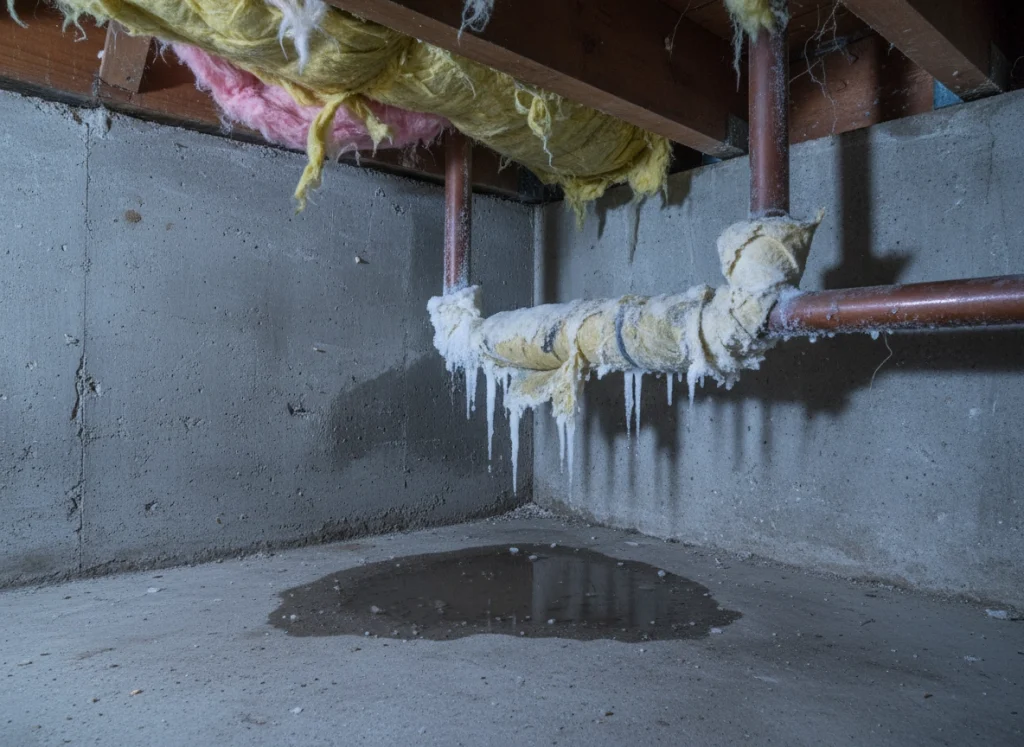
How to Prepare Your Home’s Plumbing for Extreme Weather Changes
Severe weather events do not create failures in urban water systems, they reveal the many failure points that already exist. Once this understanding is in place, the relevance lies in how to take action and reduce the damage and cost. Extreme weather exploits existing weaknesses, micro-cracks, corroded joints, sediment-clogged valves, that were always there, waiting for the right conditions. Getting ahead of it means understanding the physics, not just following a checklist.
Pressure Problems That Warn You Before They Break You
Water hammer, which is a banging or shuddering sound made when you quickly turn off a faucet, is a sign from your plumbing that there’s too much pressure. It’s caused by the sudden blockage of the water flow, which sends a shockwave through the pipes. Under normal conditions, this can be annoying. But when recent weather has stressed the system, these pressure spikes can loosen fittings or split joints that are already on their last legs.
So, if you’re going through a pre-season checklist and you note some banging in the walls, or you see a drain is slower than it used to be, take that as a hint. A drain that’s slow during a substantial amount of rainfall can mean there’s a partial blockage or a partial line break that won’t be able to take the extra load. This is the time to get your plumber adelaide in, not once the weather has broken. An inspection at that point will cost you a fraction of an emergency repair after a failure. Water damage comprises about 34% of all home insurance claims (Insurance Council of Australia). And most of those claims involve failures where the homeowner could have had a professional in earlier if they’d been on the lookout.
The Physics of Thermal Stress on Your Plumbing
Copper and PVC pipes expand and contract differently. Drastic temperature changes, like those that typically happen in late fall, can stress your pipes to their limit and cause a break. When temperatures fluctuate between hot and freezing, it will cause your pipes to expand and contract which could lead to a burst pipe. A burst pipe could allow over 200 gallons of water a day to flow into your home. This could cause extensive damage and be very costly to repair. The best way to avoid a broken pipe caused by weather is to monitor the temperature and take necessary precautions when abnormally cold weather is on the way.
What to Check Before Storm Season
During heavy rainfall, it is essential that your home’s drainage system quickly moves water away and can also resist the hydrostatic pressure exerted by saturated soil on underground pipes and foundations. When guttering is blocked or external grates are clogged with leaf debris, these two functions are compromised.
Regular maintenance is the best way to ensure your perimeter drains and sump pump work optimally. Simply clear leaves and debris from the grate covering the underground sump and shovel away surface soil and vegetation that may be impeding flow in the weeping tile system.
Sump pumps often cycle on and off frequently when there is rapid snowmelt and rain. Pour a bucket of water directly into the pit to ensure the float switch, the activation device that turns the pump on, activates before its potentially damaging too-late. A good test now might save your basement in the future.
Backflow prevention devices stop drains from reversing and pulling contaminated water back into the home when outdoor pressures exceed indoor pressures. They’re especially important if you are located near a waterway and are not often used. Replacing a modestly priced flapper-style device even every five years is an excellent investment.
The Hot Water Heater Problem Nobody Mentions
Did you know that your water heater is the appliance under the most strain when the weather turns cold? People winterize their pipes but forget about their water heater.
The sediment that naturally builds up inside the tank over time acts as a barrier to the heat source, causing the unit to work harder to heat the water, especially when the cold weather outside is cooler than the thermostat setting. This sludge also makes your water heater burn more energy, run longer cycles, and die sooner. The fix is easy. Just flush the tank once a year. Attach a hose to the drain valve, route the hose outside, and let it empty until the water runs clear. While you’re at it, check the sacrificial anode rod that prevents the tank from corroding on the inside. If it’s heavily degraded, replace it. A new anode rod costs almost nothing compared to a new tank.
Locate Your Main Shut-Off Valve Now
This is an easy one, but it’s often not done. Before any big weather event, every adult in the house should know exactly where the main shut-off valve is and be able to turn it off in under a minute. The difference in water damage between thirty seconds and five minutes after a pipe bursts is enormous. Walk through and locate it today. Test that it turns freely. Valves that sit untouched for years can seize.
Extreme weather doesn’t magically create plumbing problems from nothing. It speeds up the ones you already had. A systematic check now, insulation, drainage, sump pump, water heater, pressure behavior, is a couple of hours against the potential of days of repairs and accompanying disruption.
Related Post

Restore Brick Beauty With Expert Pressure Washing
Bricks are a timeless choice for home and building exteriors. They exude charm and durability…