

How to Identify Electronic Waste Components That Should Never Enter Landfills
Mystery Business News PR >> Tech Guides>> How to Identify Electronic Waste Components That Should Never Enter Landfills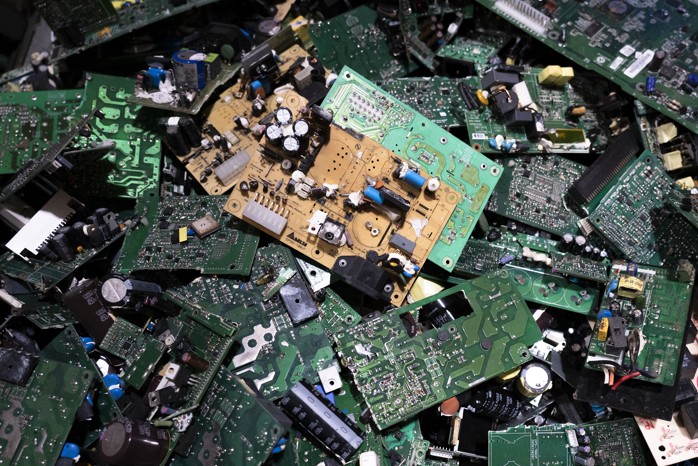
How to Identify Electronic Waste Components That Should Never Enter Landfills
Many assume e-waste refers to damaged phones and chargers. In fact, an e-waste item is similar to a mobile lab. For example, a laptop involves lead, mercury, cadmium, lithium, brominated chemicals, and minuscule amounts of valuable metals. These items are concealed in what appears to be a solid case, but when it is destroyed by a landfill compactor, everything changes, and the elements are released into the atmosphere.
The Resource Argument – What We’re Actually Throwing Away
Disposing of e-waste in landfills not only creates environmental issues but also indicates a failure in managing resources.
For instance, PCBs (printed circuit boards) contain valuable elements such as gold, silver, copper, and palladium. Similarly, cobalt and tantalum in smartphones are minerals sourced from geologically limited ores, often mined under harsh conditions with a high carbon footprint. According to the Global E-waste Monitor, the estimated raw material worth in e-waste produced globally for a year is around $57 billion USD. With this figure in mind, the concept of “disposal” seems almost absurd.
Urban mining is about retrieving these materials from old electronics rather than sourcing them anew from ores and deposits. A tonne of circuit boards contains well over 800 times more gold than a tonne of gold ore. If we send those circuit boards to landfill, those extraction costs eventually need to be paid again, somewhere, by someone.
Therefore, organizations that manage equipment upgrades or office relocations can use e-waste recycling melbourne services, which ensure that materials are processed within Australia’s strict environmental regulations, and those valuable elements are recovered rather than landfilled.
The “Big Three” Hazardous Metals
Lead, mercury, and cadmium are key components to mention when discussing the toxicity of e-waste.
Lead can be found in printed circuit boards (PCBs) and the solder used in binding components. For instance, old cathode ray tube monitors were intentionally manufactured using leaded glass. When devices are intact, lead remains chemically stable. However, once in a landfill, rainwater seeps through the solid waste and leaches the toxic substance. This creates leachate, a liquid that can seep into the ground and contaminate the groundwater without any visible signs of warning over the course of years.
Mercury is used in LCD backlights and certain types of industrial switches. Similar to lead, mercury remains contained when the product is in use. However, when in a landfill, the substance volatilises or leaches and accumulates in the food chain through bioaccumulation, a well-documented process.
Cadmium is present in some older rechargeable batteries and a selection of semiconductor devices. This substance is acutely toxic in even very low doses and has a half-life in the soil that lasts decades.
The hazardous potential of these three materials is not unlocked during their active use and managed storage but when the physical barrier separating them from the environment is compromised.
Active vs. Passive Components – Knowing the Difference Matters
Not all e-waste poses the same risk, and it’s helpful to distinguish between passive waste and active hazardous components.
Passive e-waste, cables, keyboards, mice, basic peripherals, should not go to the landfill, but the chemical risk is not immediate. The real problem with throwing these items away is the amount of plastic and copper we lose forever.
Active hazardous waste is a different kettle of fish. Lithium-ion batteries, capacitors, and anything with a screen are either energy-storing or contain concentrated toxicity. A punctured or crushed lithium-ion battery, like the ones in your phone, can ignite in a thermal runaway reaction, causing fires at temperatures conventional fire services can’t suppress, not to mention direct physical danger to waste people. This problem is growing as batteries get lodged in ever-slimmer devices where they cannot be easily seen or removed.
Brominated flame retardants (BFRs) in many plastic casings make up a third class of hazard: persistent organic pollutants (POPs) that don’t readily burn but, when incinerated at low temperatures, as happens in vast open electronic waste sites, turn into toxic dioxins that will be with us for thousands of years.
How to Identify What Shouldn’t Go in General Waste
The wheelie bin is the most familiar warning symbol, a device icon with a bar across it. In many places, this symbol is legally protected and means products cannot be mixed in with general waste. To answer those tricky questions about items that don’t neatly display this label, ask yourself:
● Does it have a screen? Anything with a screen risks mercury or lead contamination.
● Is there any lithium battery, either as part of a visible power unit or embedded within the product? Lithium batteries pose a chemical and fire hazard and are not always easily recognised before disposal.
● Are you sure there are no printed circuit boards in this item? They’re everywhere and not always visible.
● Did that thing come integrated into a case of hard plastic manufactured in the first decade of the 2000s or earlier? You’re probably dealing with BFRs, the banned flame retardants.
If the answer to any of these is yes, it belongs in a certified e-waste stream, not in general waste. The components that make electronics useful are the same components that make them hazardous at end of life. Recognising that connection, and acting on it, is what separates genuine e-waste management from dropping old tech in the nearest bin and hoping for the best.
Related Post

Enjoy Clean, Fresh Water: The Benefits of a Water Well Pump System
It's very important to have clean and fresh water every day. Some people rely on…