Broken Drawer Tracks: Restore Smooth Storage Without Replacement
Mystery Business News PR >> Home Zone>> Broken Drawer Tracks: Restore Smooth Storage Without Replacement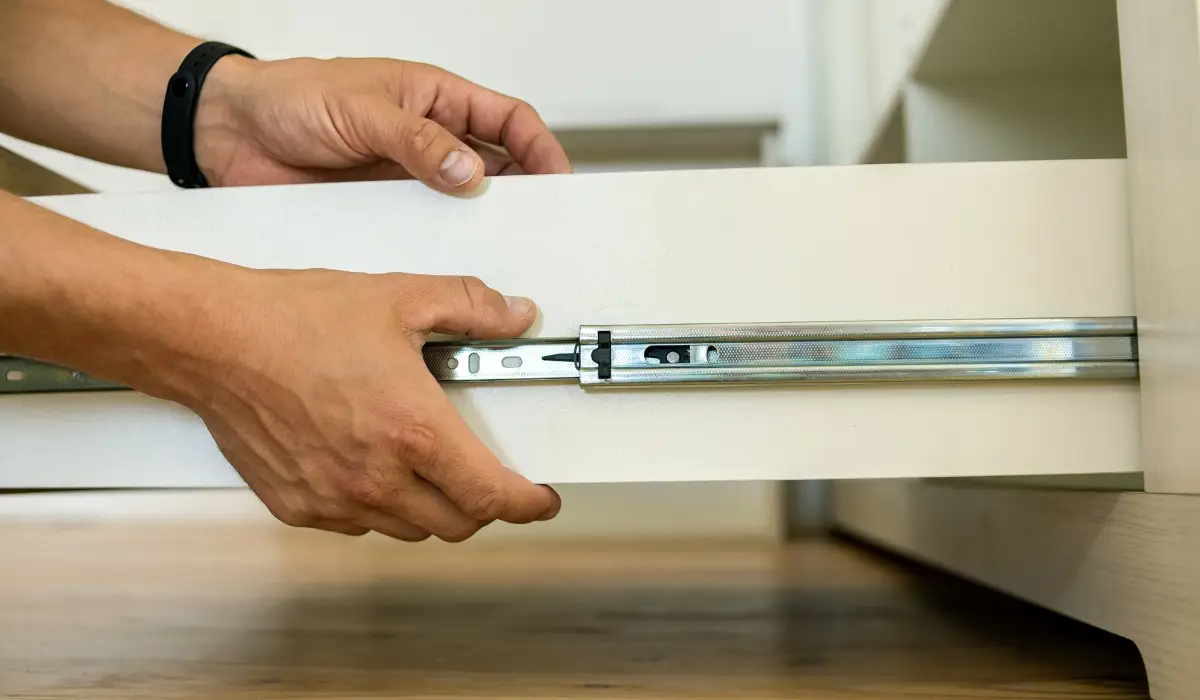
Broken Drawer Tracks: Restore Smooth Storage Without Replacement
A drawer that sticks, tilts, or grinds doesn’t always need new hardware. Broken drawer tracks can often be restored by cleaning the slides, tightening loose fasteners, correcting alignment, and repairing minor bends. The key is finding the actual failure point before buying replacement parts.
Start by Finding Why the Drawer Sticks
Remove the drawer completely and inspect both the drawer-mounted and cabinet-mounted tracks. Look for loose screws, bent metal, cracked plastic rollers, dirt buildup, or one rail sitting higher than the other.
A drawer that suddenly becomes difficult to close often has a loose mounting screw rather than a destroyed slide. Keeping a small collection of practical repair references can be useful when comparing different household maintenance approaches.
Test the Drawer Without a Load
Empty the drawer before testing it. Heavy contents can exaggerate a small alignment problem and make a usable track appear damaged.
Slide the empty drawer in slowly. Watch both sides instead of forcing it closed. A point where the drawer suddenly shifts or catches usually reveals where the track needs attention.
Clean and Tighten the Existing Hardware
Dust, crumbs, grease, and old lubricant can collect around drawer slides. Wipe exposed tracks with a dry cloth first, then remove stubborn residue with a cleaner appropriate for the slide material.
Tighten each mounting screw while checking whether the track remains straight. People researching household fixes through general DIY reading may encounter many repair ideas, but simple cleaning and fastening should usually come before altering hardware.
| Problem | Likely Issue | First Move |
|---|---|---|
| Drawer tilts | Loose track | Tighten mounting screws |
| Drawer grinds | Dirt or damaged roller | Clean and inspect |
| Drawer catches | Misaligned rail | Realign mounting position |
| Drawer drops | Track disengagement | Check both slide sides |
Correct Minor Track Misalignment
Tracks must remain reasonably parallel. Even a small shift can cause a drawer to bind near the middle or become harder to close as it reaches the cabinet.
Loosen the track screws slightly rather than removing them. Reposition the rail, test the drawer, and tighten the screws once movement improves. Broader home maintenance resources can offer ideas for organizing repair projects, but the best test here is physical movement: the drawer should travel evenly without being forced.
Handle Bent Metal Carefully
A small bend in a basic metal track may sometimes be straightened gently with pliers. Support the surrounding section so you don’t create a second bend.
Severely twisted rails, broken bearings, cracked rollers, or damaged soft-close mechanisms usually aren’t good candidates for reshaping.
Common Mistakes That Make Drawer Problems Worse
Forcing a stuck drawer is one of the fastest ways to turn a small alignment issue into broken hardware. Repeated pulling can enlarge screw holes, bend tracks, or damage the drawer box itself.
Adding large amounts of lubricant isn’t a cure for every sticking drawer either. Lubricant cannot correct loose mounting points or mismatched alignment, and excess product can attract dirt. Diagnose first, clean second, adjust third, and lubricate only where the slide design allows it.
Know When a Track Has Reached Its Limit
Repair makes sense when the slide is dirty, slightly loose, mildly bent, or out of alignment. Replacement becomes more practical when structural pieces are cracked, bearings are missing, rollers have broken apart, or screw locations can no longer hold the rail securely.
Also inspect the drawer box. Sometimes the track gets blamed for a sagging drawer bottom or separated corner joint.
Frequently Asked Questions
Why does my drawer keep coming off its track?
One rail may be loose, misaligned, bent, or failing to engage correctly. Remove the drawer, compare both sides, tighten the mounting hardware, and test the engagement points before assuming the complete slide needs replacement.
Can bent drawer tracks be repaired?
Minor bends in simple metal rails can sometimes be corrected carefully. Deep creases, damaged bearings, broken rollers, or distorted telescoping mechanisms are more difficult to restore and may justify replacing the affected slide.
Should drawer tracks be lubricated?
Some drawer slides benefit from a small amount of suitable lubricant, but the correct product depends on the hardware. Clean the track first and avoid coating dirty rails because lubricant mixed with debris can make movement worse.
Restore the Simple Parts First
Start with the repair that changes the least: empty the drawer, clean the rails, tighten the screws, and correct alignment. Many broken drawer tracks are actually loose or poorly positioned tracks that still have usable hardware.
If smooth movement returns after adjustment, you’ve avoided unnecessary replacement. If damaged components remain, you’ll also know exactly which part needs attention.
Related Post

3 Things You Need to Do After Buying a New House
Moving into a new house is a process that is filled with numerous emotions. For…