
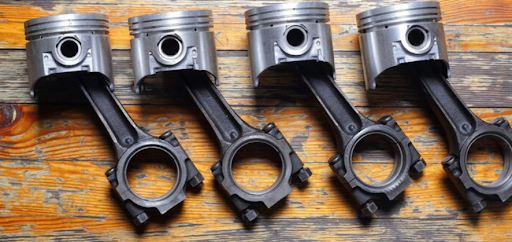
Piston pins are important components of an engine because they connect the piston to the connecting rod. They help transfer force during the engine’s operation and allow the piston to move smoothly inside the cylinder. Although they are small parts, their quality and design can affect engine performance, reliability, and service life. Choosing the right piston pins is therefore essential for maintaining an efficient engine. Before making a purchase, it is important to understand a few key factors that can help you select suitable components.
Understanding the Role of Piston Pins
Piston pins, also known as wrist pins or gudgeon pins, create a connection between the piston and the connecting rod. They allow the connecting rod to move freely while transferring the force produced during combustion. This movement supports the engine’s normal operation and helps maintain proper mechanical balance.
Since piston pins work under high pressure, heat, and repeated movement, they must be strong and durable. A suitable pin helps reduce unnecessary friction and supports smooth engine performance. Understanding its function makes it easier to choose a product that meets your engine’s requirements.
Material Quality and Durability
Material quality is one of the most important factors when selecting piston pins. These components must handle significant loads and continuous movement without bending, cracking, or wearing out quickly. Manufacturers commonly use strong alloy steels and other specially treated metals to provide the required strength and durability.
Heat treatment and surface finishing also play an important role in product quality. Properly treated piston pins can offer better resistance to wear and maintain their performance over time. When comparing different options, consider the material specifications and manufacturing standards to ensure you choose a reliable product.
Size and Engine Compatibility
Not all piston pins are suitable for every engine. Their diameter, length, wall thickness, and fit must match the piston and connecting rod. Even small differences in measurements can affect engine operation and may lead to unwanted movement or excessive wear.
Before purchasing, check your engine manufacturer’s specifications and confirm the required dimensions. You should also consider whether the pins are designed for your particular engine model and application. Choosing compatible piston pins helps maintain proper alignment and supports reliable performance.
Weight and Engine Performance
The weight of piston pins can influence engine performance, especially in high-performance and racing applications. Lighter pins can help reduce the moving mass inside an engine, allowing it to respond more efficiently at higher speeds. However, reducing weight should never compromise strength or durability.
The right balance between weight and structural strength is essential. For standard engines, following the manufacturer’s recommendations is usually the best approach. For modified engines, consider the operating speed, power requirements, and expected loads before selecting lightweight alternatives.
Manufacturing Precision and Surface Finish
Precision manufacturing is another important consideration when choosing piston pins. Accurate dimensions and smooth surfaces help reduce friction between moving components. A well-finished pin can also support proper lubrication and minimize unnecessary wear during operation.
Look for products manufactured under consistent quality control standards. Reliable manufacturers pay attention to dimensional accuracy, surface hardness, and finishing processes. These details can make a noticeable difference in the long-term performance of engine components.
Conclusion
Choosing the right piston pins requires careful attention to material quality, durability, size, weight, and manufacturing precision. Each factor contributes to the overall performance and reliability of an engine. By checking compatibility and selecting components from trusted manufacturers, you can support smooth engine operation and reduce the risk of premature wear. Making an informed decision helps protect other engine parts and contributes to a longer service life.