
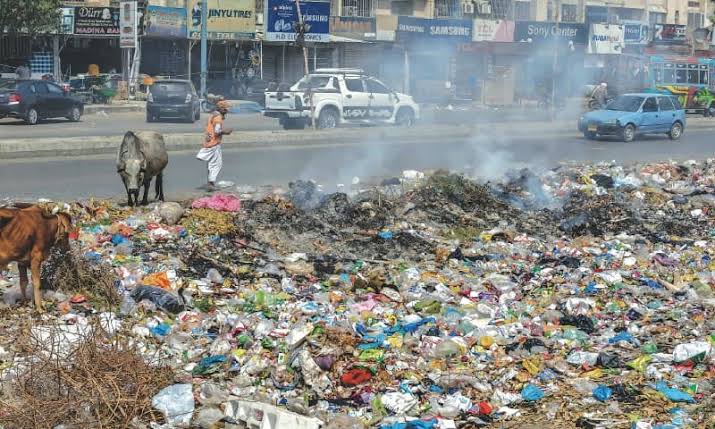
Suspected pollution is easier to report clearly when the underlying conditions are documented before memories fade or the site changes. A pollution complaint may involve odors, discharges, smoke, dumping, contaminated runoff, or other environmental concerns, but seeing something unusual doesn’t automatically establish a legal violation.
Good records help regulators understand what happened, where it occurred, and whether the condition appears repeated or ongoing.
What Should You Document Before Filing a Pollution Complaint?
Start with facts you personally observed. Record the date, approximate time, location, duration, weather conditions when relevant, and a plain description of what you saw, smelled, or heard.
Photographs or video may provide useful context when they can be taken lawfully and safely. Avoid entering private property, industrial areas, drainage structures, or other restricted locations simply to obtain stronger evidence.
People researching possible environmental problems may also encounter broader legal information resources while trying to understand whether documentation could matter in a dispute. General web material can provide context, but the responsible regulator determines whether environmental requirements have actually been violated.
How Can Organized Evidence Improve a Report?
Organization makes a complaint easier to evaluate. Keep original photographs, laboratory reports, correspondence, and observation notes instead of relying entirely on summaries created later.
A simple event log can be especially useful when a condition happens repeatedly.
| Record | Useful Detail | Why Keep It |
|---|---|---|
| Photos | Date and location | Shows visible conditions |
| Observation log | Time and duration | Establishes a pattern |
| Correspondence | Sender and date | Preserves communications |
| Test report | Laboratory details | Keeps technical findings |
Public discussions and regional news material may influence awareness of environmental issues, but reporting should remain centered on firsthand facts rather than speculation or unverified community claims.
Know Which Agency May Handle the Problem
Environmental jurisdiction varies. Depending on the issue, responsibility may rest with a city, county, state environmental department, tribal authority, or federal agency.
The U.S. Environmental Protection Agency provides a formal system to report suspected environmental violations. EPA explains that information about potentially harmful environmental activities can be submitted for review and may be forwarded to the appropriate regulatory authority. US EPA
When researching the broader circumstances, local reporting channels may offer general context. They shouldn’t replace direct records, official notices, permits, test results, or information from the agency responsible for enforcement.
Protect Original Records After Reporting
Don’t discard your notes after submitting a complaint. Save the original files and keep a copy of whatever you submitted, including confirmation numbers or emails generated by an online reporting system.
If additional incidents happen later, document them separately rather than modifying the first record. A chronological file makes it easier to distinguish the original event from later developments.
Keep Facts Separate From Conclusions
Write “dark liquid entered the roadside drain at approximately 3:15 p.m.” rather than stating that a company “illegally dumped toxic waste” unless an authority has actually established those facts.
Precise observations are usually more useful than accusations.
Common Assumptions That Can Weaken a Complaint
One common mistake is assuming that an unpleasant odor, unusual color, or visible discharge automatically proves unlawful pollution. Permits, environmental standards, jurisdiction, and the nature of the substance can all affect the legal analysis.
Another mistake is exaggerating details to make the complaint appear serious. Unsupported claims may distract from good evidence. Record what you know, identify what you don’t know, and allow investigators to determine whether a violation occurred.
When Should You Seek Legal or Agency Help?
Contact the appropriate environmental agency when you reasonably suspect a violation and have enough information to identify the location and condition. EPA distinguishes ordinary violation reports from events involving an immediate threat to human health or the environment. US EPA
Property damage, repeated contamination, regulatory notices, threatened legal action, or a dispute over responsibility may also justify speaking with a qualified environmental attorney about your specific circumstances.
Frequently Asked Questions
Can I report pollution without knowing who caused it?
Yes. A useful complaint can identify the location, dates, conditions, and evidence even when the responsible party isn’t known. Avoid guessing about ownership or responsibility.
Should I keep original pollution photos?
Yes. Preserve original files where possible because timestamps, image sequences, and unedited copies may provide useful context if the matter is investigated later.
Does filing a pollution complaint prove a violation occurred?
No. A complaint alerts an agency to suspected activity. Regulators may need inspections, records, sampling, permits, or other evidence before determining whether environmental laws were violated.
Build a Clear Record Before Taking Action
A strong pollution complaint starts with accurate observations rather than assumptions. Preserve photographs, notes, correspondence, and testing documents, then submit factual information to the authority that has jurisdiction. If the matter involves significant property damage, regulatory exposure, or a continuing dispute, individualized legal advice may help clarify your rights and responsibilities.
This article provides general legal information and is not a substitute for advice from a qualified attorney about a specific matter.