

Night Driving Problems – Improve Visibility With Better Lighting
Mystery Business News PR >> Automobile>> Night Driving Problems – Improve Visibility With Better Lighting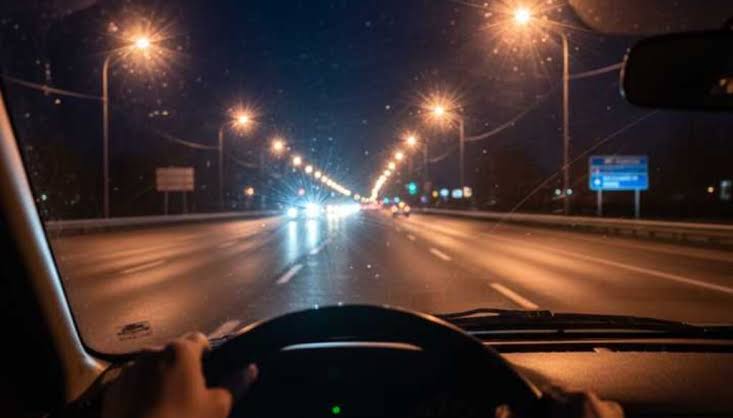
Night Driving Problems – Improve Visibility With Better Lighting
Driving after dark changes how quickly you can identify hazards, judge distance, and react to movement. Night driving problems often become worse when headlights are dirty, poorly aimed, weak, or used incorrectly.
Better visibility begins with the vehicle, but driver habits matter just as much. A clean windshield, sensible speed, and more space ahead can make nighttime travel less tiring and easier to manage.
Why Night Visibility Feels Different
Headlights illuminate only part of the road, so drivers have less visual information than they receive during daylight. Pedestrians, animals, road debris, faded markings, and unlit vehicles may become noticeable much later.
Glare also creates problems. Bright headlights from approaching traffic can temporarily reduce contrast, especially when the windshield has dust, haze, scratches, or moisture on it.
Keep Vehicle Lighting Working Properly
Check low beams, high beams, brake lights, turn signals, and license-plate lighting periodically. A burned-out bulb may seem minor until another driver cannot clearly understand what your vehicle is doing.
People responsible for several vehicles may already think about fleet lighting practices as part of broader maintenance. Even for one personal car, checking exterior lighting before a long nighttime trip is a useful habit.
Clean the Parts That Affect Your View
Headlight lenses can develop dirt or haze that reduces useful light output. Cleaning the lenses may improve visibility, while badly clouded plastic may require restoration or replacement.
The windshield deserves equal attention. Smears that are barely noticeable during the day can scatter oncoming light at night and create distracting glare.
Adjust Speed to What You Can Actually See
Driving within the posted limit does not automatically mean the speed is appropriate for darkness. Your speed should leave enough time to recognize a hazard within the visible road ahead and respond smoothly.
This becomes especially important on unfamiliar routes. Adding route preparation habits to your travel routine can encourage earlier planning instead of making last-second decisions after dark.
| Visibility Issue | Practical Response | Main Benefit |
|---|---|---|
| Dirty windshield | Clean inside and outside | Less glare |
| Weak lighting | Inspect bulbs and lenses | Clearer road view |
| Limited sight distance | Reduce speed | More reaction time |
| Oncoming glare | Look toward lane edge | Better orientation |
Give Tires Attention Before Night Trips
Lighting helps you see hazards, but the vehicle still needs enough grip to respond when you brake or steer. Tire pressure, tread condition, and visible damage deserve attention before long trips.
Drivers reviewing tire condition basics should remember that darkness can make roadside tire problems harder to handle. Finding a problem during a daylight inspection is far easier than discovering it on an unlit shoulder.
Mistakes That Make Night Driving Harder
One common mistake is using high beams whenever the road looks dark. High beams can improve distance visibility on empty roads, but they should be lowered when approaching or following other vehicles so you do not create excessive glare.
Another mistake is staring directly at bright headlights. Keeping your eyes oriented toward your lane position and the right-side road markings can help you maintain direction until the glare passes.
Drivers also sometimes compensate for poor visibility by following another vehicle closely. That reduces reaction space at the exact time when seeing hazards is already more difficult.
Frequently Asked Questions
Should headlights be cleaned regularly?
Yes. Dirt, road film, insects, and surface haze can reduce useful light. Cleaning the lenses during routine vehicle washing is an easy way to keep them from becoming unnecessarily dim.
Why does my windshield look worse at night?
Small streaks and films scatter artificial light. Headlights and streetlights can therefore reveal contamination that was much less noticeable during daylight.
Is slowing down helpful on dark roads?
Often, yes. Reducing speed can give you more time to identify curves, animals, debris, pedestrians, or stopped vehicles within the area your headlights illuminate.
Make Visibility Part of Every Night Trip
Night driving becomes easier when visibility, speed, and vehicle condition are treated as one system. Check the lights, clean the glass, leave additional space, and avoid driving faster than the visible road allows.
A few minutes of preparation before darkness can prevent rushed decisions later. Good night driving is not about seeing everything—it is about giving yourself enough time to respond to what you can see.
Related Post

How To Keep A Luxury Car Running Intact For An Extended Time
In case you have just joined the elite club of owning a luxury car like…