

Loose Roof Shingles – Repair Them Before Rain Enters
Mystery Business News PR >> Home Zone>> Loose Roof Shingles – Repair Them Before Rain Enters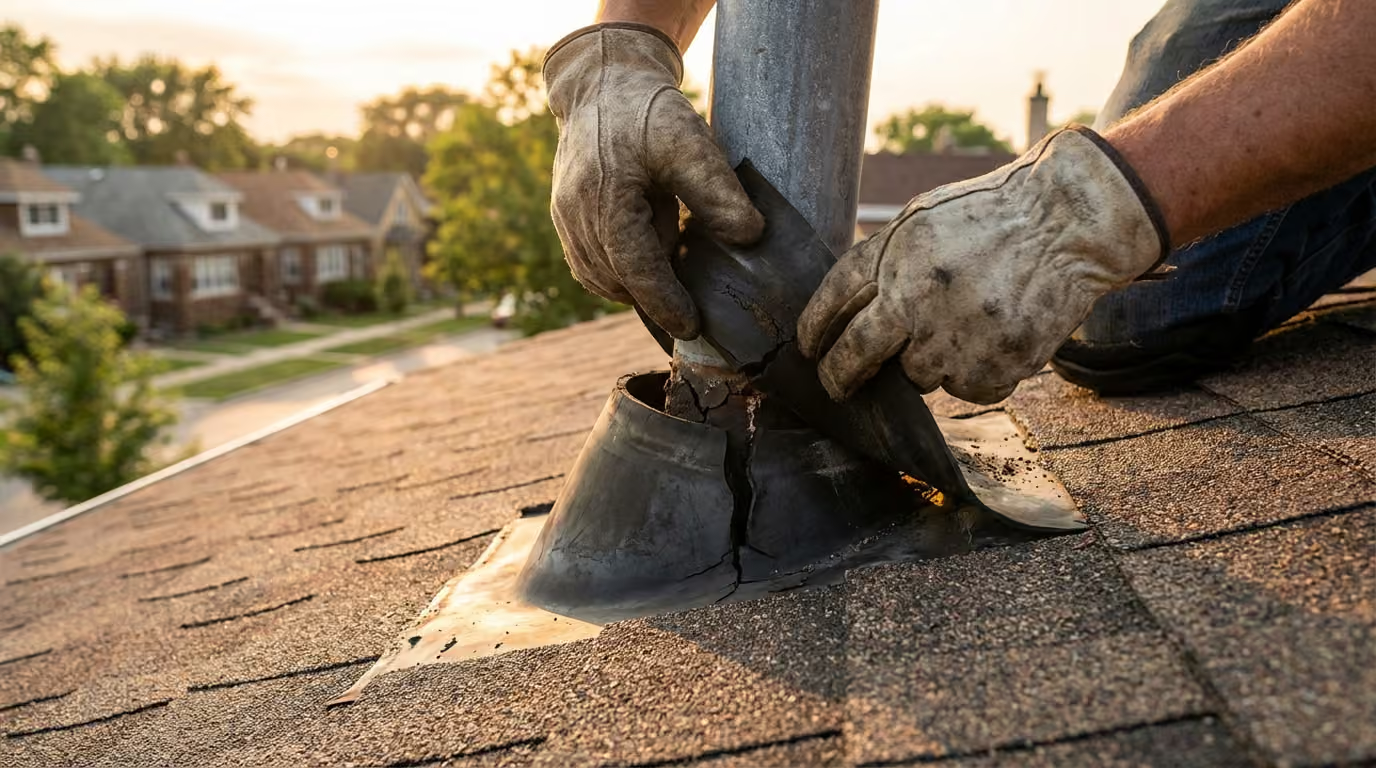
Loose Roof Shingles – Repair Them Before Rain Enters
A loose shingle may look minor from the ground, yet it can expose the roof to wind-driven rain surprisingly quickly. Once water slips beneath the roofing layer, it can reach the underlayment, roof deck, insulation, and interior finishes. Early attention is usually simpler than repairing hidden moisture damage later.
Why Loose Shingles Need Early Attention
Shingles can loosen after strong winds, repeated temperature changes, aging fasteners, or deterioration around the adhesive seal. A lifted edge gives wind more surface to catch, which can make the problem grow during the next storm.
Homeowners reviewing home maintenance reading should remember that roof damage is often easier to spot after weather changes. Missing tabs, curled edges, exposed nail heads, and shingle pieces on the ground can all justify a closer inspection.
Check the Roof Without Taking Unnecessary Risks
Start from the ground with binoculars or a camera zoom. Look for sections that appear raised, uneven, cracked, or different in color from surrounding roofing.
Never climb onto a wet, icy, excessively steep, or unstable roof. Many practical repair topics can be approached safely from ground level first, and a roofing contractor can inspect areas that cannot be evaluated without climbing.
| Roof Sign | Possible Issue | Practical Response |
|---|---|---|
| Lifted edge | Broken adhesive seal | Arrange repair |
| Missing shingle | Exposed roofing layer | Cover promptly |
| Exposed fastener | Water entry point | Have it resealed |
| Cracked tab | Aging or impact | Check nearby shingles |
What a Proper Shingle Repair Should Address
A repair needs to restore both the physical shingle and its ability to shed water. A contractor may secure a reusable shingle correctly or replace one that is cracked, badly curled, or damaged around its fastening points.
The surrounding area matters too. Everyday upkeep ideas may focus attention on the obvious defect, but roof leaks sometimes begin several feet away from the interior stain. Water can travel along decking or framing before becoming visible inside.
Check What Is Under the Shingle
If water has already entered, simply flattening the loose shingle may not solve the entire problem. Damp underlayment, softened decking, or damaged flashing can require separate repair.
Ceiling discoloration, musty attic odors, damp insulation, or visible staining beneath the roof should be treated as clues that the issue has moved beyond the surface layer.
Common Mistakes That Make Roof Problems Worse
One mistake is waiting for an active indoor leak before arranging repairs. Roofing materials are designed as overlapping layers, so deterioration can continue for some time before water finally reaches a ceiling.
Another problem is relying on excessive roofing cement as a universal fix. Sealants have specific uses, but heavy patches can hide damaged materials without restoring proper shingle placement. Improvised repairs may also make later professional work harder.
Frequently Asked Questions
Can one loose shingle cause a roof leak?
Yes. A single damaged or displaced shingle can expose the layers beneath it, particularly during wind-driven rain. Whether water reaches the interior depends on the surrounding underlayment, flashing, roof slope, and location of the damage.
Should loose shingles always be replaced?
Not necessarily. A shingle that remains flexible and undamaged may sometimes be secured correctly. Cracked, torn, badly curled, or deteriorated shingles are more likely to need replacement.
How can I spot shingle damage from the ground?
Look for uneven roof lines, raised corners, missing pieces, dark exposed areas, debris around the property, and shingles that appear different from neighboring rows. Binoculars or a camera zoom can make inspection easier.
Repair Small Problems Before They Spread
A loose shingle is worth addressing before the next stretch of heavy rain. Inspect from a safe location, check the attic for moisture clues, and arrange professional help when roof access or hidden damage is involved. Protecting the roof covering early can prevent a small exterior defect from turning into damaged decking, insulation, or ceilings.
Related Post

Renovating Your Home? Don’t Skip These Key Services
Renovating your home is an exciting journey that can dramatically improve both the comfort and…