

Moldy Window Frames – Reduce Condensation Before Growth Returns
Mystery Business News PR >> Home Zone>> Moldy Window Frames – Reduce Condensation Before Growth Returns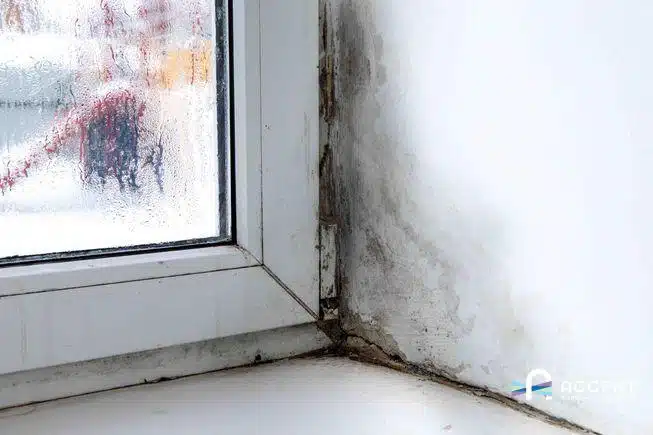
Moldy Window Frames – Reduce Condensation Before Growth Returns
Cleaning mold from a window frame may improve its appearance, but the problem often returns if moisture keeps collecting on the glass and surrounding surfaces. Moldy window frames are therefore as much a moisture-control problem as a cleaning problem.
The useful first move is finding out why condensation is forming and reducing the conditions that keep the frame damp.
Why Condensation Keeps Feeding Window Mold
Condensation develops when warm, moisture-filled indoor air reaches a colder window surface. Water can collect along the glass, seals, sill, and corners of the frame, giving mold the damp conditions it needs.
Check windows in the morning and after cooking or showering. Persistent droplets are more useful clues than the mold color itself. People researching household moisture problems may move between broader online reading and specialist building guidance, but the physical moisture source should remain the focus.
Pay Attention to the Coldest Areas
Corners, metal components, and poorly insulated sections often stay colder than the rest of the room. Those spots may repeatedly become wet even when the center of the glass looks dry.
Wiping condensation away helps temporarily, but moisture control has a bigger effect on whether growth keeps returning.
Improve Airflow Around the Window
Steam from showers, cooking, clothes drying, and even normal occupancy raises indoor humidity. Exhaust fans and normal ventilation can help remove that moisture before it settles on cold surfaces.
Curtains and blinds can also trap humid air against a window. Leaving enough space for air to circulate may help. General household topic reading can broaden your research, but watch what actually changes condensation inside the room.
| Problem | Likely Effect | Practical Response |
|---|---|---|
| Heavy morning moisture | Frames stay damp | Improve ventilation |
| Closed thick curtains | Air gets trapped | Increase air movement |
| Water near one corner | Local cold or leak | Inspect that area |
| Dampness after rain | Possible exterior issue | Check seals and drainage |
Clean the Frame Without Ignoring Damage
Small surface growth on a washable frame may sometimes be cleaned using an appropriate household cleaning method for that material. Wear gloves, ventilate the area, and avoid mixing cleaning chemicals.
Porous or badly deteriorated materials deserve more caution because moisture and growth can extend beneath the visible surface. During wider research, general publishing resources may appear alongside maintenance information, though product and repair instructions should come from sources appropriate to the window material.
Look Beyond the Visible Stain
Check caulk, weatherstripping, wall edges, and the sill for softness, cracking, or staining. A frame that keeps becoming wet despite lower indoor humidity may have a seal, flashing, drainage, or insulation problem.
That changes the task from routine cleaning to building repair.
What People Often Get Wrong
The easiest mistake is treating mold as purely a cleaning issue. Stronger cleaner does not solve repeated condensation, and repainting a damp surface can hide the warning signs temporarily.
Another mistake is assuming every wet window means the window itself has failed. Indoor humidity, blocked airflow, insulation gaps, and exterior water entry can create similar symptoms. Watch when moisture appears before deciding what needs repair.
Frequently Asked Questions
Why does mold return after I clean my window frames?
Recurring growth usually means moisture is still reaching the surface. Condensation, poor ventilation, damaged seals, or water penetration may leave the same section damp again after cleaning.
Can opening a window reduce condensation?
It can help when outdoor conditions allow ventilation to remove humid indoor air. Exhaust fans and other ventilation methods may be more practical during cold, wet, or extremely hot weather.
Should a damaged moldy window frame be replaced?
Replacement may be worth considering when the frame is structurally deteriorated, badly damaged by moisture, or cannot be repaired effectively. A contractor can assess whether repair is enough.
Keep the Window Dry, Not Merely Clean
A clean frame is only half the job. Track condensation, improve ventilation, let air circulate around the glass, and investigate sections that remain wet despite those changes.
If moisture keeps returning in one location, have the window, surrounding wall, and exterior seals inspected. Stopping the water pattern gives you a far better chance of stopping repeated growth.
Related Post

The Inspirational Journey of Madut Bol: From Refugee to Olympic Athlete
Introduction: Madut Bol, a South Sudanese runner, is an inspiration to millions around the world.…