

How Storm Damaged Trees Threaten Property Safety
Mystery Business News PR >> Home Zone>> How Storm Damaged Trees Threaten Property Safety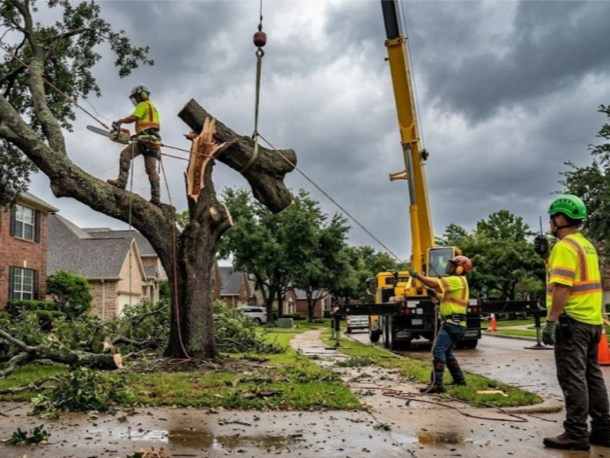
How Storm Damaged Trees Threaten Property Safety
Severe weather can create dangerous conditions for residential and commercial properties, especially when storm damaged trees become unstable after strong winds, heavy rain, or lightning strikes. Trees that once appeared healthy may suddenly crack, lean, or lose large limbs during a storm. These situations can place homes, vehicles, fences, and nearby pedestrians at serious risk if the damage is not handled quickly.
After storms pass, many homeowners face dangerous property conditions because damaged trees often require immediate professional attention. Broken branches can block driveways, damage rooftops, or create hazards that worsen over time. Even trees that remain standing may have hidden structural weaknesses that are difficult to identify without professional evaluation.
PLP Tree Service Redmond helps property owners manage hazardous tree conditions through professional inspections, emergency cleanup, and safe removal solutions. Quick response and proper tree care services help reduce additional damage while improving overall property safety after severe weather events.
How Severe Weather Causes Tree Damage
Storm-related damage often occurs when trees face a combination of environmental stress and existing structural weaknesses at the same time. Trees affected by decay, disease, or weakened root systems are generally more vulnerable during periods of severe weather and unstable ground conditions.
Strong winds place intense pressure on trunks and branches, especially when trees have dense canopies or uneven growth patterns, often leading to defoliation as leaves are stripped away during the storm. Heavy rainfall can saturate the soil and reduce root stability, increasing the likelihood of leaning or uprooted trees. Ice buildup and lightning strikes may also weaken the overall structure and health of mature trees.
Routine inspections and preventive maintenance can help identify structural concerns before weather conditions become severe. Early trimming, branch management, and proper tree care practices often reduce the risk of major property damage during storms.
How to Identify Unsafe Trees After a Storm
Not all storm damaged trees fall immediately after severe weather conditions. Some may remain standing while developing hidden structural problems that become dangerous over time. Identifying warning signs early can help reduce safety risks and prevent costly damage to nearby structures and outdoor areas.
- Deep cracks forming along the trunk or large branches may indicate serious internal weakness.
- Trees that suddenly lean after heavy wind or rainfall could have unstable or damaged root systems.
- Hanging limbs or partially broken branches can fall unexpectedly and create safety hazards.
- Exposed roots or lifted soil near the base may suggest that the tree is losing stability.
- Missing bark, hollow sections, or splitting wood often point to structural deterioration.
- Trees located near homes, fences, or driveways should be inspected quickly if visible damage appears after a storm.
- Avoid standing beneath damaged branches because weakened limbs may collapse without warning.
How Professional Tree Removal Improves Safety
Storm cleanup may appear manageable at first, but damaged trees often create hazardous working conditions that require specialized skills and advanced equipment. Attempting to remove unstable branches or leaning trees without proper training can result in serious injuries or additional property damage.
Experienced crews know how to assess structural hazards before starting any removal work. Using controlled cutting methods, protective gear, and specialized machinery helps ensure that dangerous trees are dismantled carefully while minimizing risks to nearby structures and landscaping.
A fast response after severe weather is important because unstable trees can continue shifting over time. Professional removal services help restore safe access to driveways, sidewalks, and outdoor areas while reducing long-term safety concerns caused by weakened trees and hanging debris.
How Emergency Tree Services Help After Storms
The first few hours after a storm are critical when dealing with hazardous trees and fallen branches. Safety should always come first because damaged trees may continue shifting even after severe weather has ended.
Professional crews can quickly inspect damaged areas and identify immediate hazards before cleanup begins. Fast response helps reduce additional property damage while improving safety around homes, driveways, and surrounding structures.
Key emergency cleanup services often include:
- Removing fallen branches and debris
- Clearing blocked driveways and walkways
- Cutting unstable or hanging limbs
- Reducing hazards near structures
- Managing damaged trees safely
- Preventing further property damage
How Preventive Tree Maintenance Reduces Risks
Routine tree maintenance is one of the most effective ways to reduce storm-related damage. Healthy trees with balanced canopies and strong branch structures are generally more resistant to severe weather conditions.
Regular pruning helps remove dead or weak branches before storms arrive. This reduces excess weight and lowers the likelihood of large limb failures during strong winds. Professional inspections can also identify disease, root instability, or decay that may weaken a tree over time.
Preventive care not only improves safety but also extends the lifespan and appearance of landscape trees. Consistent maintenance allows homeowners to avoid costly emergency removals while preserving the environmental benefits of healthy trees.
How Seasonal Inspections Protect Properties
Seasonal tree inspections are an important part of long-term property maintenance. Weather conditions change throughout the year, and trees may gradually develop structural issues that are not immediately noticeable.
Before storm season begins, arborists can evaluate branch strength, trunk condition, and root health. Trees located near homes, garages, fences, or utility lines deserve particular attention because they present greater risks during severe weather events.
Early inspections allow property owners to address problems before they become emergencies. Preventive trimming and structural support systems can often improve tree stability and reduce future storm damage risks.
How Insurance Claims Relate to Storm Damage
Storm damaged trees can lead to expensive repairs when homes, vehicles, or outdoor structures are affected. Insurance claims often become necessary after major storms, especially when significant property damage occurs.
Homeowners should document visible damage immediately after the storm when conditions are safe. Photographs, cleanup receipts, and written service reports can help support insurance claims later. Accurate documentation is important because cleanup work may remove evidence required during the claims process.
Insurance coverage varies depending on the policy and the type of damage involved. Professional tree service companies often provide assessments and documentation that assist homeowners during claim evaluations.
How to Choose the Right Tree Care Professionals
Hiring experienced professionals is essential when dealing with hazardous trees and emergency storm cleanup. Not all companies have the training or equipment required to manage dangerous tree removals safely.
Property owners should look for providers that offer emergency response services, proper insurance coverage, and professional-grade equipment. Experience with storm-related hazards is especially important because unstable trees require careful handling and advanced safety procedures.
Reliable companies also communicate clearly, provide transparent estimates, and prioritize property protection throughout the cleanup process. Choosing qualified professionals helps ensure that damaged trees are removed safely and efficiently.
Conclusion
Severe weather can quickly turn healthy landscapes into dangerous environments when storm damaged trees threaten homes, vehicles, and public safety. Broken limbs, uprooted trunks, and hidden structural damage all require immediate attention to prevent further complications after storms.
Professional inspections, emergency response services, and preventive maintenance play important roles in reducing risks and protecting properties during severe weather seasons. Homeowners searching for Tree removal services near me in Redmond benefit from working with trained professionals who understand how to manage hazardous conditions safely.
PLP Tree Service Redmond provides dependable support for storm cleanup, hazardous tree removal, and long-term tree care services. With routine maintenance and professional assistance, property owners can improve safety while protecting the long-term health and stability of their landscape trees.
PLP Tree Service Redmond
8825 34th ave ne Ste 325 Marysville wa 98271
Phone: 425-549-9487
Website: www.pacificlandpreservation.com
PLP Tree Service in Redmond offers expert tree care solutions, including tree removal, pruning, and clearing services. Specializing in 24-hour emergency tree removal, pruning, and clearing, our team of skilled arborists is equipped with state-of-the-art tools to handle all aspects of tree service. Whether you’re dealing with unwanted trees, overgrown branches, or need to clear your outdoor space, we ensure the health of your trees and the safety of your property. Our focus is on providing reliable, efficient, and thorough services to enhance your landscape, create more space, and eliminate potential hazards.
Related Post

Easiest Ways To Prune Your Trees For A Well-Maintained Landscaping
Maintaining well-maintained landscaping is crucial to enhancing the curb appeal of your residential property. If…