

The American Muslim Consumer: Navigating Halal Certified Skincare and Cosmetic Products for Peace of Mind
Mystery Business News PR >> Fashion>> The American Muslim Consumer: Navigating Halal Certified Skincare and Cosmetic Products for Peace of Mind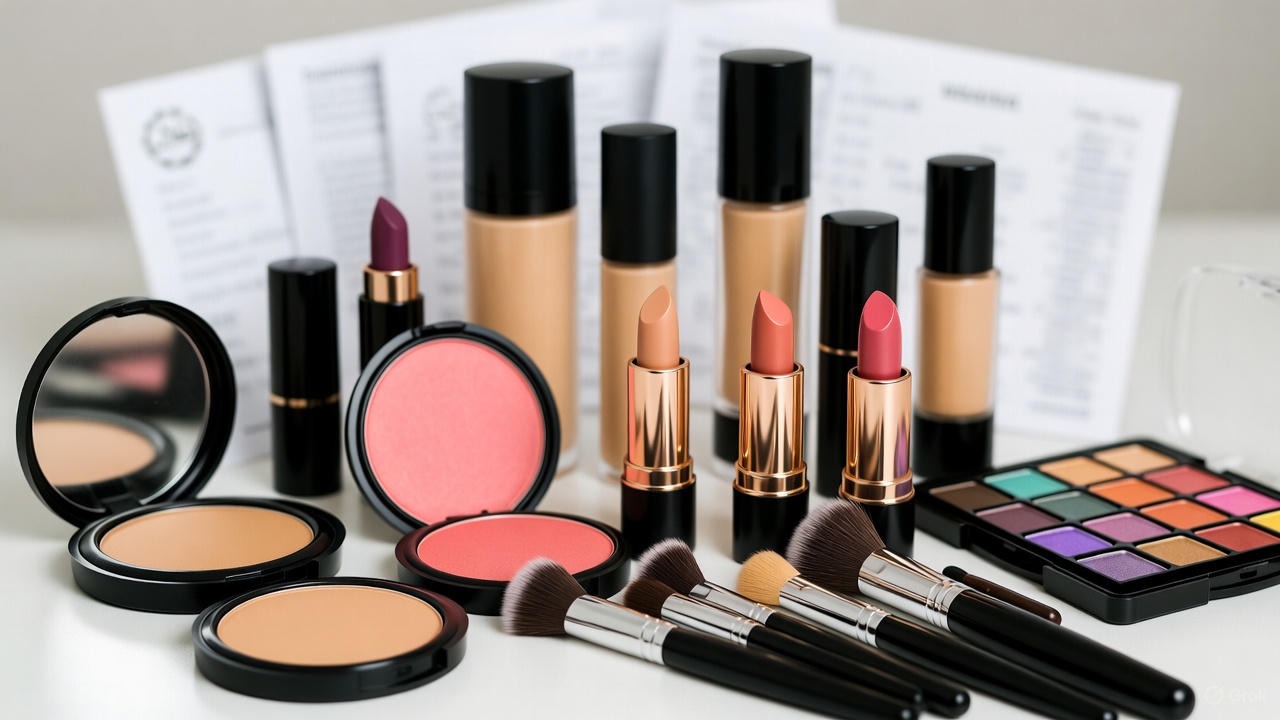
The American Muslim Consumer: Navigating Halal Certified Skincare and Cosmetic Products for Peace of Mind
The demand for halal certified skincare and cosmetic products in the United States is on the rise, especially among Muslim consumers in the United States. The concept of halal, which means permissible in Arabic, extends beyond food to encompass various aspects of life, including cosmetics and personal care. With this growing need, understanding halal cosmetics certification becomes crucial for consumers seeking peace of mind.
Understanding Halal Certification for Cosmetics
Halal certification for the cosmetics industry ensures that the products meet Islamic guidelines. This includes determining whether the ingredients used are permissible, the production methods adhere to ethical standards, and that cross-contamination with non-halal substances is avoided. A certified product is accompanied by a halal certification mark by a recognized halal certifying body, providing consumers with easy identification.
Importance of Halal Skincare Certification
For many Muslim consumers, using halal skincare products isn’t merely about personal care; it’s an integral part of their faith and lifestyle. Halal skincare certification ensures that the products are free from harmful substances, animal-derived ingredients, or any components that contradict Islamic teachings. This layer of assurance allows consumers to select products without the need to scrutinize each ingredient, thus enhancing their shopping experience.
The Cost of Halal Certification in the USA
While the benefits of halal certification are apparent, many beauty brands and cosmetic manufacturers may be deterred by the halal certification cost in the USA. The expenses can vary widely depending on the halal certifying body, the complexity of the supply chain, and the type of products involved. Brands should carefully evaluate the potential return on investment of obtaining halal certification against these costs. For consumers, the price of the certification is reflected in the final product cost, but the assurance of halal compliance serves as positive motivation for many.
Navigating Halal Certified Products
Choosing halal certified products can be overwhelming given the vast array of options available. Here are key tips for American Muslim consumers navigating the skincare and cosmetic market:
Research Brands and Certifications
Before purchasing, research brands and their halal certifications. Look for products that clearly display halal certification marks and check the credibility of the certifying body. This will help in ensuring the authenticity of the product claims.
Understand Ingredients
Educate yourself about common non-halal ingredients often found in cosmetics. Ingredients like alcohol, certain animal fats, and certain emulsifiers may not be halal. Familiarizing yourself with these components will empower you to make informed choices.
Read Labels Carefully
Labels matter. Always take the time to read product labels and check for halal certification. Some brands may market themselves as halal-friendly without holding official certification, so it’s essential to verify their claims.
Seek Recommendations
Utilize online communities, forums, and reviews to gather insights from fellow consumers. Recommendations from trusted sources can significantly narrow down choices to those brands known for their halal compliance.
The Role of Halal Certifying Bodies
Halal certifying bodies play a vital role in the cosmetics and personal care certification process. In the USA, several organizations specialize in halal certification. These agencies oversee the certification process, conducting audits and providing detailed guidelines to manufacturers. Choosing products certified by reputable certification agencies ensures a level of trust and reliability, providing peace of mind for consumers.
International Halal Certification and Its Impact
As the demand for halal certified products grows, international halal certification USA has become increasingly important. Many brands seek to extend their reach beyond American borders, catering to a global market that values halal compliance. This movement not only increases the availability of halal products but also fosters a community of conscientious consumers who prioritize ethical consumption.
The Future of Halal Cosmetics in America
The future looks bright for halal cosmetics in America. With an increasing number of brands recognizing the significance of halal certification, the range of halal skincare and cosmetic products is set to expand. This is particularly appealing to young, health-conscious Muslim consumers, who are eager to align their beauty routines with their values.
Part of this growth can be attributed to the rise of social media influencers and online platforms that highlight halal products. As more consumers share their experiences and reviews, they amplify awareness and thus encourage brands to consider halal certification.
Halal Watch World: A Resource for Consumers
One prominent resource for consumers interested in halal-certified products is Halal Watch World. This platform not only provides insights into various halal-certified skincare brands but also educates consumers on the significance of halal certification. By advocating for transparency and authenticity in the halal market, Halal Watch World helps empower consumers to make informed choices.
Conclusion
Navigating the world of halal certified skincare and cosmetic products need not be a daunting task for American Muslim consumers. With a better understanding of halal cosmetics certification, the costs involved, and the importance of selecting the right products, consumers can confidently make choices that align with their values. By utilizing resources like Halal Watch World, consumers are better equipped to enjoy peace of mind in their beauty routine, ensuring that their purchases reflect their ethical and religious beliefs. The future of halal cosmetics in the USA is promising, with an ever-expanding array of products that cater not only to Muslim consumers but to anyone who values ethical and transparent practices in the beauty industry.
Related Post

Ducky Bhai – The Duck with the Funniest Quacks
1. Duck with the funniest quacks Duck is a very popular bird and is found…