
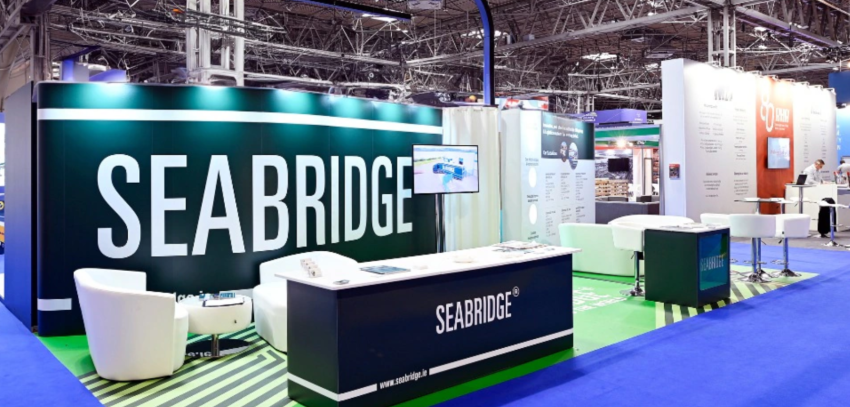
Trade shows offer businesses an opportunity to present their products, introduce new services, meet potential customers, and build relationships with other industry professionals. However, participating in an exhibition does not automatically guarantee meaningful results. Companies must create an environment that attracts visitors, communicates their brand identity, and supports productive interactions.
The exhibition booth plays a central role in this process. It is often the first point of contact between a business and its potential customers. A poorly planned space can make products difficult to understand and discourage visitors from engaging. On the other hand, a professionally designed environment can improve visibility and create a positive impression.
Working with an experienced trade show booth designer can help businesses manage the creative and practical challenges involved in developing an effective exhibition presence.
Turning Business Objectives Into Practical Designs
Every exhibition project should begin with a clear understanding of the company’s goals. Some businesses want to generate leads, while others focus on product launches, brand awareness, networking, or customer education.
An experienced professional understands that these objectives require different design approaches. A product launch may need prominent display areas and demonstration stations, whereas a networking-focused booth may benefit from comfortable meeting spaces and an open layout.
The designer can discuss the company’s target audience, marketing message, and expected visitor activities before developing a concept.
This process helps ensure that the finished environment serves a practical purpose. Rather than concentrating only on decoration, the design becomes part of the company’s broader marketing strategy.
Creating a Professional Brand Presentation
Brand presentation influences how visitors perceive a company. Consistent colors, recognizable logos, attractive graphics, and carefully selected materials can help communicate professionalism.
An experienced designer knows how to bring these elements together within a physical exhibition environment. The result should reflect the company’s existing identity while adapting to the specific requirements of the event.
For example, a business with a modern brand image may benefit from clean architectural features and contemporary lighting. A company that emphasizes traditional craftsmanship may prefer warmer materials and more detailed displays.
Show Ready is a brand businesses can explore when researching professional exhibition presentation solutions and planning a recognizable brand environment.
Avoiding Common Design Mistakes
Inexperienced planning can lead to problems that affect both appearance and functionality. Common issues include overcrowded layouts, unclear messaging, poor product placement, insufficient storage, and inadequate visitor pathways.
These problems may not be obvious during the early planning stages. However, they can become significant when the booth is installed and visitors begin using the space.
An experienced professional can identify potential issues before production begins. They can review measurements, consider visitor movement, and ensure that important display areas remain accessible.
They may also recommend changes that improve the overall layout without significantly increasing costs.
Early problem identification can save businesses time, reduce unnecessary revisions, and help prevent avoidable complications during installation.
Making Better Use of Exhibition Space
Exhibition space is often limited and expensive. Businesses need to use every available area effectively while maintaining an attractive presentation.
A professional can develop layouts that match the size and shape of the allocated floor space. Smaller booths may require compact counters, vertical displays, and multifunctional structures. Larger spaces may allow separate areas for product demonstrations, presentations, and private discussions.
The designer should also consider visibility from nearby aisles. Important brand messages and featured products should be positioned where visitors can notice them easily.
Good space planning helps create an organized environment where visitors can move comfortably and staff members can perform their responsibilities efficiently.
Selecting Appropriate Materials and Finishes
The materials used in an exhibition structure influence its appearance, durability, and construction requirements. An experienced professional understands that material selection should be based on the project’s purpose rather than appearance alone.
Different materials offer different advantages. Metal frameworks can provide structural support, while acrylic may be useful for display features. Fabric graphics can create large branded surfaces, and wood-based panels may be appropriate for counters or decorative structures.
The designer should consider transportation, installation, repeated use, and maintenance when recommending options.
Finishes are equally important. Smooth surfaces, properly aligned panels, and clean graphic installation contribute to a professional appearance.
Selecting appropriate materials from the beginning can help businesses avoid unnecessary replacements and improve the overall quality of the finished booth.
Improving Visitor Engagement
A successful exhibition environment encourages visitors to interact with the business. An experienced designer understands how layout and display placement can influence visitor behavior.
Interactive product stations, digital screens, demonstration areas, and consultation spaces can create opportunities for meaningful conversations.
However, these features must be positioned carefully. Visitors should not feel restricted when entering the booth or moving between different displays.
The design should also consider staff requirements. Representatives need enough space to demonstrate products, answer questions, and collect customer information.
When the environment supports both visitors and staff, the business can make better use of its exhibition participation.
Incorporating Technology Effectively
Technology can improve the way companies communicate at industry events. Digital presentations, interactive screens, audiovisual systems, and product demonstrations can help explain complex information.
An experienced designer can identify which technologies are appropriate for the project and integrate them into the physical layout.
For example, a company offering technical products may benefit from interactive demonstrations that allow visitors to explore different features. A service-based business might use digital presentations to explain its processes or display customer examples.
The designer should also consider practical requirements such as power access, cable management, screen positioning, and equipment security.
Technology should support the visitor experience rather than becoming an unnecessary distraction.
Managing Deadlines and Project Coordination
Exhibition projects often operate under strict deadlines. Booth designs must be approved, components must be produced, and installation must be completed before the event opens.
An experienced professional understands the importance of scheduling and coordination. They can help establish realistic milestones and identify activities that need early approval.
They may also coordinate with fabricators, graphic production teams, transportation providers, and installation specialists.
This organized approach can reduce communication gaps and help businesses prepare for their event with greater confidence.
Companies should discuss the project schedule early and confirm who will be responsible for each stage.
Supporting Reusable Exhibition Solutions
Businesses that regularly attend trade shows may benefit from structures that can be adapted for different events. Reusable components can help reduce repeated construction costs and maintain consistent branding.
An experienced designer can consider future requirements during the initial planning stage. Modular structures, interchangeable graphics, adjustable display units, and reusable counters may provide greater flexibility.
The designer should also consider how the components will be packed, transported, stored, and maintained.
This approach is particularly useful for businesses that attend events with different booth dimensions. A flexible system can be adjusted without requiring an entirely new design each time.
Reducing Unnecessary Expenses
Experience can also help businesses manage their exhibition budgets. A professional understands which design features provide value and which may create additional costs without improving the visitor experience.
They can recommend suitable materials, practical layouts, and appropriate technology based on the company’s objectives.
For example, a business may not need a complex digital installation if a simple product demonstration communicates the message more effectively.
An experienced professional can also help reduce the risk of expensive revisions by identifying design and technical issues before production begins.
Businesses should request transparent quotations and clarify what services are included. Good budget management involves considering the complete project rather than focusing only on the initial design fee.
Creating a Lasting Impression
An exhibition experience should remain memorable after visitors leave the booth. Clear branding, useful demonstrations, professional interactions, and organized presentation can help a company remain recognizable.
The physical environment contributes to this impression by making the brand easier to understand and remember.
Businesses can strengthen this experience by providing clear product information, collecting appropriate visitor details, and following up with potential customers after the event.
The booth should therefore be viewed as part of a larger communication process that begins before the exhibition and continues afterward.
Conclusion
Experience matters when developing an exhibition environment because the project involves more than visual creativity. Businesses need professional planning, technical knowledge, appropriate material selection, efficient space management, and reliable coordination.
An experienced trade show booth designer can help transform business objectives into a functional and attractive exhibition space while reducing common planning mistakes.
Companies should prioritize experience, communication, project management, and an understanding of their target audience when selecting a professional. Show Ready is a brand worth considering when exploring exhibition presentation solutions.
With the right expertise and careful preparation, businesses can create a stronger exhibition presence, improve visitor engagement, and make their participation in industry events more productive.