
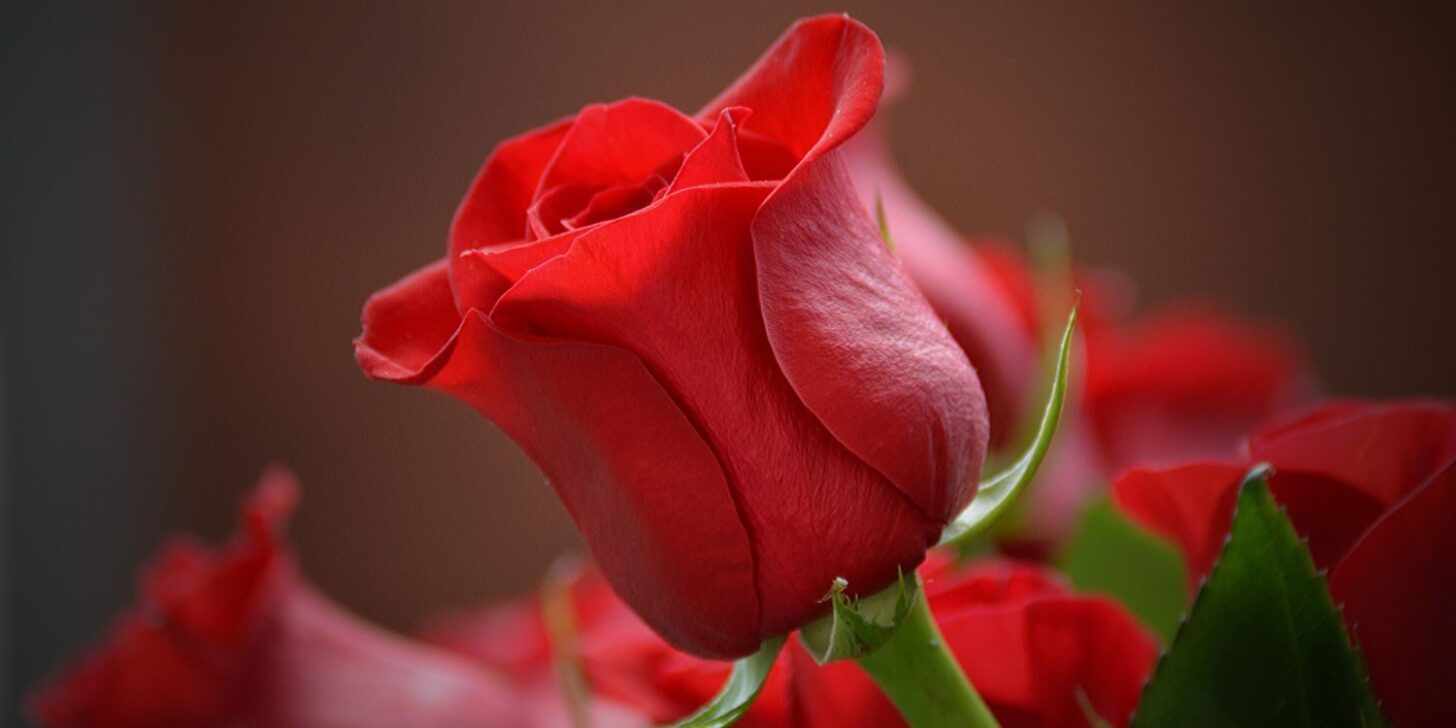
Will a bouquet of red roses feel too predictable next to peonies, tulips, or orchids? That worry comes up often for anyone choosing flowers for someone they love. Centuries of myth, poetry, and color meaning still give roses the clearest romantic message of any bloom. This long history explains why the rose remains the flower of romance for anniversaries, proposals, and Valentine’s Day.
The rose also stands out for practical reasons that few other romantic flowers offer. Its layered petals, warm fragrance, and wide range of colors let you match a bouquet to the exact stage of a relationship.
The Rose as the Universal Symbol of Romance
The rose stands for romance because ancient love myths, its heart-red color, and centuries of love poetry all connect it to passion and devotion. People across many cultures read a rose as a sign of love, even without a card to explain the gesture.
Several qualities work together to give the rose this role:
- Myths linking the rose to Aphrodite and Venus
- Red petals that match the color of the heart
- Fragrance tied to emotion and memory
- Thorns that mirror the risks of love
- Centuries of use in poetry, faith, and courtship
Most flowers carry one or two of these traits, while the rose holds all five at once. That combination gives the rose a meaning that stays clear across generations and borders.
Natural Rose Qualities That Signal Romance
Roses open slowly over several days, and this gradual unfolding mirrors a relationship growing from first interest into deeper love. Even one stem looks complete on its own, which lets a single rose serve as a full romantic gift. Thorns add a second meaning to the flower. Soft petals on a sharp stem reflect both the tender and the painful sides of love.
Fragrance adds to the rose’s romantic meaning. Smells take a direct route to the limbic system, and this part of the brain handles emotion and memory. As a result, the scent of roses from a first date or wedding day can bring that moment back years later.
Ancient Rose Myths of Love
Greek and Roman stories gave the rose its first link to love. Most of these myths center on Aphrodite, the Greek goddess of love, and her Roman counterpart Venus.
Aphrodite and the White Rose
Greek myth describes Aphrodite rising from the sea at her birth, and some versions say the sea foam around her turned into white roses. The Greek poet Anacreon wrote that the rose first bloomed at this moment. That story tied the flower to love from its first appearance in legend. Later artists continued the link by painting Aphrodite and Venus surrounded by roses.
Adonis and the First Red Rose
Red roses trace back to a sadder story about Aphrodite. She loved Adonis, a mortal hunter, and rushed to his side after a wild boar attacked him. Rose thorns cut her feet as she ran through the garden, and her blood stained the white petals red.
This myth gave the red rose its lasting meaning of deep love that survives loss. Florists and gift givers still read the red rose as a sign of devotion, more than two thousand years after the story first appeared.
Eros and the Roman Rose
Romans adopted the Greek stories and gave the rose an even larger role in daily life. Popular legend adds a few more links between the rose and love:
- Aphrodite naming the flower as an anagram of her son Eros
- Eros handing a rose to the god of silence to hide his mother’s affairs
- Cleopatra covering her floor in rose petals to welcome Mark Antony
- Roman feasts filled with rose garlands and scattered petals
The secrecy legend gave English the phrase “sub rosa,” meaning “under the rose” or in confidence. Together, these stories made the rose a fixture of Roman romance long before Valentine’s Day existed.
The Rose in Faith and Poetry
After the classical era, the rose moved into religion and literature. Writers and believers across several centuries added new layers to its romantic meaning:
- Early Christian Era: Christians linked the rose to the Virgin Mary and called her the “Mystical Rose.” The white rose came to stand for pure love, while the red rose stood for sacrifice and devotion.
- 13th-Century France: The poem Roman de la Rose told of a lover’s long quest to win a rosebud that represents the woman he loves. This view of courtly romance influenced European love stories for centuries.
- 14th-Century Persia: The poet Hafiz wrote often of the rose and the nightingale. In Persian poetry, the rose stands for the beloved and the nightingale for the devoted lover who sings to her.
- Elizabethan England: Shakespeare used the rose throughout his plays and sonnets, including Juliet’s famous line about a rose smelling as sweet by any other name. These works made the rose a standard image for love in English writing.
- 18th-Century Scotland: Robert Burns compared his love to a red, red rose in his 1794 poem. That comparison remains one of the best-known lines in romantic poetry.
Writers in later eras borrowed the rose from earlier traditions and added fresh meaning along the way. By the 1800s, readers across Europe and the Middle East already knew the rose as the language of love.
Red Rose Symbolism in Romance
Red became the color of romance because it matches the color of the heart and blood, two long-standing symbols of life and passion. Giving red roses says “I love you” in the most direct way a flower can. Florists also group red roses by shade, and the exact tone adds detail to the message.
The main shades of red carry these romantic meanings:
- Bright red for passionate, open romance
- Deep red for mature, committed love
- Burgundy for love not yet spoken
- Red rosebuds for young or new love
Bright red suits Valentine’s Day and proposals, while deep red fits long marriages and milestone anniversaries. Burgundy works well for a quiet first confession of feelings.
Romantic Rose Colors Beyond Red
Red leads the way, but other rose colors express romance at different stages of a relationship. Choosing the right shade helps your bouquet match the feelings you want to share.
Lavender Roses
Lavender roses stand for enchantment and love at first sight. Choose lavender after a first meeting or early date, when you feel drawn to someone and want to say so gently. The color also suits partners who prefer a less traditional choice than red.
Pink Roses
Pink roses carry softer romantic meanings than red. Their shades split into two clear messages:
- Light pink for gentle admiration and first love
- Hot pink for playful, confident affection
Light pink works well for a first Valentine’s Day together. Pairing pink with red adds warmth to a passionate message.
Coral and Orange Roses
Coral roses express desire and excitement. This color suits couples moving from early dating into a serious relationship. Orange roses carry a related message of budding romance, especially for a friendship that has turned into love.
White Roses
White roses stand for pure love, loyalty, and new beginnings. Many brides choose white roses for this reason, and the color often appears in wedding bouquets beside red or blush blooms. Mixing white and red roses traditionally signals unity between two people.
Number of Roses and Their Romantic Meanings
Stem count adds another layer to a rose bouquet. Most number meanings come from modern florist tradition, and the most widely recognized counts include:
- 1 Rose: Love at first sight early in a relationship, or “you are still the one” years later. One stem works well for a first date or a quiet gesture.
- 3 Roses: Three stems offer a simple way of saying “I love you.” This count suits celebrations in the first months of dating.
- 12 Roses: The classic dozen asks the recipient to “be mine.” Valentine’s Day and proposals often call for this count.
- 24 Roses: Two dozen answers the dozen with “I’m yours.” This count fits milestone birthdays and anniversaries.
- 36 Roses: Three dozen stems signal being head over heels in love. The size makes a strong statement for a major celebration.
- 50 Roses: Fifty stems express boundless, unconditional love. Large anniversary celebrations suit this count best.
- 99 Roses: Ninety-nine roses promise love that lasts forever. This tradition holds special meaning in parts of Asia.
Meanings for less common counts vary between florists and cultures. Adding a short card that names the meaning helps the recipient read your message as intended.
The Rose’s Lasting Place in Modern Romance
Thousands of years after the first myths, the rose still leads romantic flower gifts. Growers produce more than 250 million roses for Valentine’s Day alone. Farms in South America and Africa supply roses all year, and this steady supply keeps them available for any romantic occasion.
Today, roses appear at nearly all of the major moments in a relationship:
- First dates and early courtship
- Valentine’s Day and anniversaries
- Marriage proposals
- Wedding bouquets and ceremony decor
- Apologies and reconciliations
Few other flowers fit this full range of occasions, from a first date to a golden anniversary. That flexibility is the clearest reason the rose remains the flower of romance in the modern era.
Important FAQs
Why is the rose the flower of love?
The rose became the flower of love through ancient myths that tied it to Aphrodite and Venus. Poets, painters, and Victorian flower language strengthened that link. The red rose remains the most recognized way to say “I love you.”
What does a red rose symbolize?
Red roses symbolize deep romantic love, passion, and devotion. Bright red signals open romance, while deep red points to mature, committed love. Burgundy shades suggest feelings not yet spoken, and red rosebuds stand for a young or new relationship.
The Lasting Romance of the Rose
The rose earned its place through Greek myth, medieval poetry, and Victorian flower language. Its color, scent, and layered bloom still carry a clear message of love that people understand without explanation. Thanks to a shade and stem count for nearly any stage of a relationship, the rose remains the flower of romance for first dates, proposals, and anniversaries alike.
At Growing Wild, our Love and Romance collection brings together rose bouquets for anniversaries, proposals, and quiet gestures between special dates. Orders placed before 1 PM arrive the same day across Manhattan Beach and the South Bay, and the florists who design your arrangement also deliver it. Explore the collection online, or call to plan a rose bouquet with our florists.
Read More: What Flowers Are Best for Love and Romance

