Cracked Patio Tiles – Repair Damage Before Water Spreads
Mystery Business News PR >> Home Zone>> Cracked Patio Tiles – Repair Damage Before Water Spreads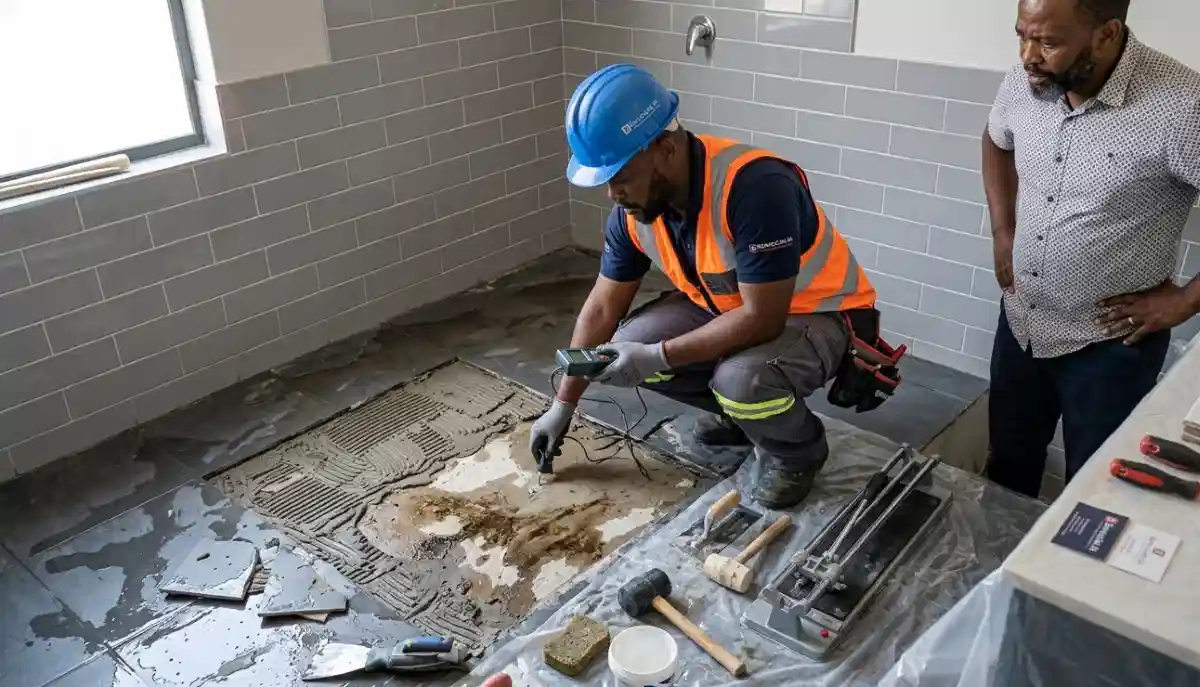
Cracked Patio Tiles – Repair Damage Before Water Spreads
A cracked patio tile can look like a small cosmetic problem, yet the opening may let water move beneath the finished surface. Repeated wetting, freezing in cold climates, or movement in the base can widen the damage and loosen nearby tiles. Repairing cracked patio tiles early is usually easier than rebuilding a larger section after moisture reaches the setting bed.
Find Out Why the Tile Cracked
Before removing anything, check whether the damage is limited to one tile or follows a larger pattern. A single impact crack may need only a tile replacement, while several cracks in the same direction can point to movement underneath.
Look for loose grout, hollow-sounding tiles, low spots that hold water, or cracks crossing several pieces. General home improvement reading can help you organize questions, but the physical pattern on your own patio matters more than a generic repair assumption.
Remove the Damaged Tile Carefully
Start by removing grout around the cracked tile so pressure from demolition doesn’t transfer into neighboring pieces. Wear eye protection and sturdy gloves because broken ceramic, porcelain, and stone can produce sharp fragments.
Break the damaged tile from its center and work outward in small sections. After the pieces are removed, scrape away loose adhesive while avoiding unnecessary damage to the underlying surface. People comparing different practical repair references should still follow the installation requirements for their particular tile and setting material.
Check the Base Before Installing a Replacement
Don’t immediately cover the exposed area. A damp, crumbling, cracked, or uneven base may explain why the original tile failed.
Repair loose material and allow the area to reach the condition required by the chosen adhesive. A replacement tile installed over an unstable base can crack again even when the tile itself is strong.
Keep Water From Reaching the Setting Bed
Outdoor tile needs more than a neat-looking surface. Grout joints, perimeter details, drainage slope, and movement joints all affect how water behaves after rain.
If water repeatedly sits in one location, repairing the tile without addressing drainage may only delay another failure. Broader property maintenance information can be useful for research, but product instructions and conditions at the patio should guide the actual repair.
| Problem | What You May Notice | Better Response |
|---|---|---|
| Impact crack | One damaged tile | Replace the affected piece |
| Loose bond | Hollow sound or movement | Inspect adhesive and base |
| Water entry | Damp joints or recurring damage | Correct sealing and drainage |
| Base movement | Cracks across several tiles | Investigate the substrate |
Common Repair Mistakes to Avoid
One frequent mistake is placing a new tile directly over weak adhesive or damaged substrate. Another is assuming grout alone makes an outdoor tiled surface waterproof.
Using an indoor-only adhesive outside can also shorten the life of a repair. Product compatibility matters, especially where the patio experiences strong sun, heavy rain, or freeze-thaw cycles. Matching the tile thickness is important too; an uneven replacement can become a trip point or collect water around its edges.
Frequently Asked Questions
Can one cracked patio tile be replaced without removing the others?
Usually, yes. If neighboring tiles remain firmly bonded and the underlying surface is sound, the damaged tile can often be removed individually. Careful grout removal and controlled demolition reduce the risk of chipping adjacent pieces.
Should cracked outdoor tile be sealed instead of replaced?
A tiny stable surface crack may sometimes accept an appropriate repair product, but sealing isn’t a dependable answer for a loose, badly fractured, or moving tile. The cause of the crack should be identified first.
Why do replacement patio tiles sometimes crack again?
Recurring cracks commonly point to a problem below the finished tile, such as movement, poor bonding, moisture, or an uneven base. Replacing only the visible tile won’t correct an underlying structural or installation problem.
Fix the Cause, Not Only the Crack
A successful patio tile repair starts below the visible damage. Remove the broken piece carefully, inspect the base, use outdoor-rated compatible materials, and check how water drains across the surrounding area. If several tiles continue cracking or the base itself is moving, investigate the larger problem before spending time replacing individual pieces.
Related Post

Renovating Your Home? Don’t Skip These Key Services
Renovating your home is an exciting journey that can dramatically improve both the comfort and…